
Reviewed · COOKING CLASSES
Pura Vida Cooking Class in La Fortuna (From farm to table)
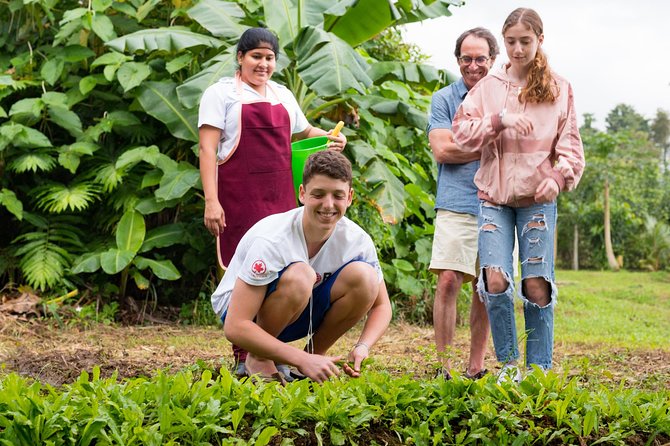
La Finquita Farm turns lunch or dinner into a lesson in Costa Rican food. You harvest ingredients such as cassava, plantain, herbs, spices, and vegetables, then use them to prepare gallina achiotada, handmade tortillas, and other local dishes in an open-air kitchen.
I like the direct link between farm work and the meal. I also like the warm, social setup, where a guide such as Marco, Melanie, Nelson, or Hugo may explain the farm while a local chef leads the cooking. The main consideration is weather: heavy rain can limit the harvesting portion, even though the cooking and meal can still go ahead.
Key points to know before booking
- You harvest ingredients before cooking: Depending on the weather and season, you may gather cassava, herbs, spices, and vegetables for the meal.
- The main dish is gallina achiotada: This traditional chicken recipe uses annatto, known locally as achiote, for its color and flavor.
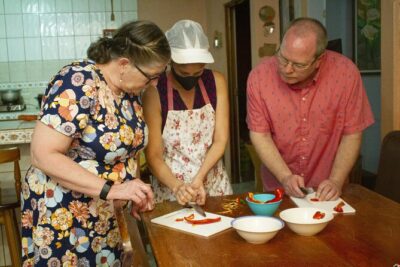
- The class is genuinely hands-on: You help make tortillas, plantain chips, patacones, pico de gallo, and other parts of the meal.
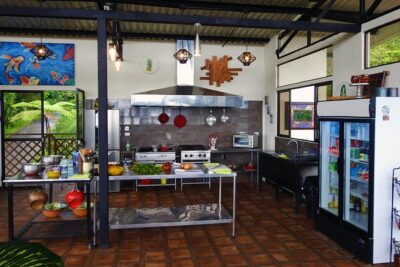
- The setting is open-air and rural: Cooking takes place in a spacious farm structure, often with a wood-burning stove.
- The group stays fairly small: The maximum is 15 people, with a minimum of two required to book.
- You receive an apron: It serves as a useful souvenir of the class, though you should still wear clothes suitable for farm work.
Why this farm-to-table class works so well
Many cooking classes begin with ingredients already measured and waiting on a counter. This one starts earlier, out among the crops. At La Finquita Farm, you first see how everyday Costa Rican foods grow, then carry those ingredients into the kitchen.
That change in order matters. Cassava is not just a root on a plate when you have helped pull it from the soil. Plantains become more than a side dish after you have seen them growing. Herbs and spices make better sense when your guide points them out in the garden and explains how they fit into local cooking.
The farm uses sustainable agricultural methods and focuses on responsible use of natural resources. You can expect to see crops such as cassava, plantain, sugarcane, corn, pineapple, bananas, peppers, peppercorn, herbs, and other vegetables, although the exact harvest depends on what is ready that day.
I especially like this part for families and anyone who wants more than a restaurant meal. Children can take part in simple kitchen tasks, learn where food comes from, and practice a little Spanish in a welcoming setting. You do not need to be a confident cook. The chef guides each step, and the emphasis is on participation rather than technical skill.
More cooking classes in La Fortuna:
- Cooking and Salsa Dance Lesson Combo
★ 5.0 · 90 reviews - Sloth Tour in La Fortuna and Tortillas Cooking Class
★ 5.0 · 88 reviews - Cooking Class “Cook Like a Local” La Fortuna
★ 4.5 · 75 reviews
The farm walk: cassava, plantains, and seasonal crops
The activity begins with transportation from the Jacamar Naturalist Tours meeting point near the Catholic Church in central La Fortuna. Hotel pickup and drop-off are provided from central La Fortuna, so you do not need to arrange a separate taxi for the farm portion.
Once you arrive, the farm tour introduces the crops used in Costa Rican home cooking. A guide such as Diego or Melanie may explain how the farm manages its plants, how regenerative practices fit into the work, and which ingredients will be used in the meal.
The most memorable task for many people is harvesting cassava, also called yuca. Pulling a root from the soil gives you a much better sense of the ingredient than simply buying it peeled and packaged. You may also gather herbs, spices, and vegetables, with the guide selecting what is fresh and ready.
Some previous class groups have used a machete under supervision to collect ingredients. That can be a fun local detail, but it is also one reason to listen carefully to the farm guide and follow instructions. This is not a formal hiking tour, and you should expect uneven ground, outdoor conditions, and ordinary farm activity rather than a polished garden display.
The farm also offers chances to spot wildlife. A sloth has been seen along the road near the farm during one outing, and other groups have noticed wildlife on the property. Treat that as a pleasant possibility, not a promised part of the class.
Rain is the one clear variable. If the weather turns wet, you may not be able to harvest vegetables as planned. The class can still continue, and the cooking remains the main event, but anyone set on a full outdoor farm visit should keep that limitation in mind.
Cooking gallina achiotada in an open-air kitchen
After the farm visit, you move into the cooking area. It is an open-air structure large enough to feel comfortable without losing the connection to the rural setting. The arrangement suits a small group, and the maximum of 15 people keeps the class from becoming a large demonstration where you only watch.
The local chef leads the preparation, with the guide often helping as an interpreter. Several cooking teams have included warm, encouraging chefs such as Anna and Marcella, while guides including Cindy and Marce have helped keep the group moving. The exact staff can vary, but the format remains the same: the guide explains the farm and local customs, and the chef directs the food preparation.
The central recipe is gallina achiotada, a traditional Costa Rican chicken dish flavored and colored with achiote, or annatto. You prepare it with the other ingredients gathered from the farm. The dish gives you a practical introduction to a familiar local flavor rather than an overly complicated restaurant recipe.
The cooking portion may also include:
- Handmade flour tortillas
- Plantain chips
- Patacones, made from fried and flattened plantains
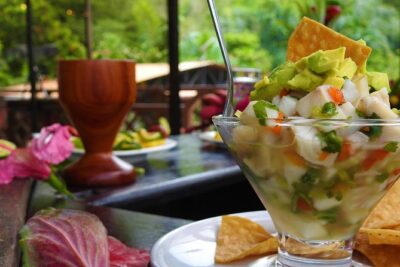
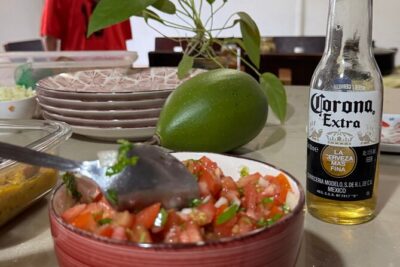
- Pico de gallo
- Cassava or yucca chips
- Ginger iced tea
You help prepare each part rather than simply watching the chef work. The tortilla making is likely to be a highlight, especially if you have never shaped one by hand. It is a simple task, but it connects the meal to a common household tradition.
The pace is designed for beginners. The chef shows you what to do, then lets you try. If you are not much of a cook, you can still take part without feeling exposed. The emphasis is on making a meal together, and the staff are described as patient and encouraging.
Eating the meal you helped make
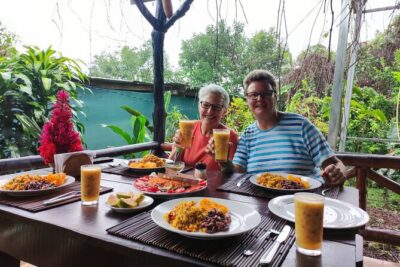
At the end, everyone sits down to eat the finished meal at the farm. This is more than a tasting. You have seen the ingredients growing, helped gather some of them, and worked through the preparation, so the final plate has a clear sense of place.
The food is served in generous portions. You should not expect to leave hungry. The meal may be one of the more filling activities on a La Fortuna schedule, especially when it includes chicken, tortillas, fried plantains, chips, salsa, and a drink.
The setting adds to the experience. You eat in a calm rural environment rather than rushing through a restaurant between sightseeing stops. A wood-burning stove and the open-air structure help keep the meal tied to the farm and the cooking process.
Alcoholic drinks are available for purchase, but they are not included in the price. The minimum drinking age is 18. If you have food allergies or dietary restrictions, tell the operator when booking. The tour may be able to plan around some needs, but the supplied details do not promise a specific substitute menu.
A few more La Fortuna half-days worth weighing up
- Costa Rica Descents Organic Farm
★ 5.0 · 55 reviews - Private cooking class in organic farm at La Fortuna
★ 5.0 · 42 reviews - Chocolate and Farm Tour with local Tico family
★ 5.0 · 35 reviews - Chocolate and Coffee Tour Farm Don Jorge
★ 5.0 · 113 reviews
What the four-hour schedule feels like
The total duration is about four hours. That gives enough time for the farm visit, ingredient gathering, cooking, and meal without turning the day into a rushed demonstration.
The exact balance between farm and kitchen can change. Weather, crop conditions, group size, and the speed of the cooking all play a part. A morning departure works well if you want the class to become your main daytime activity. An afternoon departure can fit neatly after other La Fortuna plans, with the meal serving as lunch or dinner depending on the start time.
The group limit of 15 is important. A smaller group makes it easier to hear the guide, get a turn at the worktable, and ask questions about ingredients. It may not be a private class, though. You could be cooking with a couple, a family, or a group of friends from several countries.
That social element is part of the appeal. The open kitchen encourages conversation, and the shared meal gives everyone a natural reason to talk. If you prefer quiet, individual instruction, this may feel more communal than a private lesson. If you like meeting people while you eat, it is a strong fit.
Price, transport, and what you receive
The price is $99.44 per person. That is not a bargain cooking demonstration, but it covers a full half-day experience rather than just a meal. You are paying for transportation from central La Fortuna, the farm visit, guide commentary, ingredients, chef instruction, the meal, and an apron.
The apron is a small but useful touch. It protects your clothes during cooking and gives you a practical souvenir to take home. Several people have enjoyed bringing it back as a reminder of the class.
The value depends on how you like to spend your time. If you only want to sample Costa Rican food, a local restaurant will cost less and take less time. If you want to understand the ingredients, help make the dishes, and spend several hours in a rural setting, the price is easier to justify.
Pickup and drop-off are available from central La Fortuna hotels, while the listed meeting point is beside the Catholic Church at the Jacamar Naturalist Tours office. Confirm the exact pickup details when you book, especially if your accommodation is outside the central area.
The tour is popular enough that people book it an average of 43 days ahead. That does not mean you must reserve that far in advance, but it is a sensible choice for a fixed itinerary, especially if you need a particular morning or afternoon departure.
Who will enjoy this class most
I would recommend this experience to families, couples, and friends who like food with a story. Children can take part in gathering ingredients and cooking, and the class offers a change of pace from waterfall visits, hot springs, and forest activities around La Fortuna.
It also suits honeymooners and couples looking for a shared activity. The class creates plenty of time to work side by side, then sit down for a meal you helped prepare.
You should book it if you enjoy:
- Learning through practical tasks rather than a lecture
- Trying traditional food in a local setting
- Meeting other people around a shared table
- Spending time outdoors on a working farm
- Cooking at a relaxed beginner level
- Taking home an apron and a few new kitchen ideas
You may want to skip it if you dislike group activities, cannot participate in outdoor farm work, or want a polished restaurant meal with no cooking involved. Rain can also reduce the farm harvesting portion, so keep your expectations flexible.
Practical details that make the day easier
Wear comfortable clothes that can handle a little dirt, food splashes, and outdoor conditions. Closed shoes are a sensible choice for walking around a farm and handling ingredients, though specific footwear requirements are not provided.
Bring an appetite. The food is plentiful, and the meal includes several separate preparations rather than one small sample. You may also want to leave room in your schedule afterward, since the four-hour activity includes the meal and can feel like a full half-day outing.
Tell the operator about dietary restrictions at the time of booking. The tour requires at least two people per booking and accepts a maximum of 15 participants.
Free cancellation is available when you cancel at least 24 hours before the start time. Cancellations or changes made less than 24 hours ahead are not eligible for a refund, and the cut-off uses local Costa Rican time.
Should you book the Pura Vida Cooking Class?
Book this class if you want to connect Costa Rican food to the soil, the farm, and the people preparing it. The strongest part is the sequence: harvest cassava and herbs, learn how local ingredients are used, help make gallina achiotada and tortillas, then sit down to eat the result.
The class is also a good choice for families and first-time cooks because the chefs guide every step. The open-air kitchen, small group limit, generous meal, and apron souvenir add real value to the four-hour outing.
I would not choose it simply as a backup restaurant reservation. It asks for time, participation, and some tolerance for changing weather. But if you want a hands-on La Fortuna experience that brings together farming, cooking, and conversation, this is one of the better ways to spend half a day.
FAQ
Where does the Pura Vida Cooking Class take place?
The class takes place at La Finquita Farm near La Fortuna, Costa Rica. The listed meeting point is Jacamar Naturalist Tours beside the Catholic Church in central La Fortuna.
How long does the experience last?
The activity lasts approximately four hours.
Is transportation included?
Hotel pickup and drop-off are provided from central La Fortuna. The activity ends back at the meeting point.
What food will I learn to prepare?
The main dish is gallina achiotada, a traditional Costa Rican chicken recipe. The class also includes handmade tortillas and may include plantain chips, patacones, pico de gallo, cassava chips, and ginger iced tea.
Do I get to harvest the ingredients?
Yes. The experience includes a farm tour and fresh ingredients to pick up. You may gather items such as cassava, herbs, spices, and vegetables, depending on the season and weather.
What happens if it rains?
Rain may prevent the harvesting portion of the farm visit. The cooking class and meal can still continue.
Is the class suitable for children?
Families and children can take part in the hands-on cooking and farm activities. The supplied information does not provide a specific minimum age.
How many people can join the class?
The maximum group size is 15 people. A minimum of two people is required per booking.
Are drinks included?
Alcoholic beverages are not included, but they are available for purchase. The minimum drinking age is 18.
Can I mention dietary restrictions when booking?
Yes. You should provide information about dietary restrictions when making your reservation.
Is an apron provided?
Yes. An apron is included and can be kept as a souvenir.
What is the cancellation policy?
You can cancel for a full refund up to 24 hours before the experience start time. Cancellations or changes made less than 24 hours before the start time are not accepted for a refund.
Just added around La Fortuna
- Adrenaline Pack (Zipline + Rafting)★ 5.0 · 40 reviews
- White Water Tubin in the river BALSA★ 5.0 · 40 reviews
- Ceviche & Empanadas Cooking Class★ 5.0 · 50 reviews
- Arenal Volcano Guided Hiking Tour – Lava Trails & Rainforest★ 4.5 · 35 reviews
- La Fortuna white water rafting + Authentic Costa Rican Lunch★ 5.0 · 54 reviews
- Transportation from La Fortuna to Tamarindo Beach★ 5.0 · 36 reviews
- Awesome Fun Rafting Class 3 Balsa River 5-Hour Tour in La Fortuna★ 5.0 · 62 reviews
- Peñas Blancas River: Wildlife Safari Experience by Raft★ 5.0 · 34 reviews
Cooking Classes, compared.
Sloth Tour in La Fortuna and Tortillas Cooking Class
Read our review →
Private cooking class in organic farm at La Fortuna
Read our review →Browse the lists this tour appears in