
Reviewed · COOKING CLASSES
Traditional Cooking Class In Tamarindo
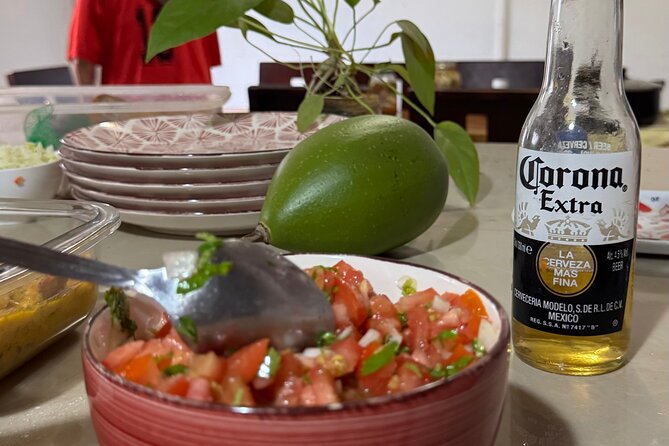
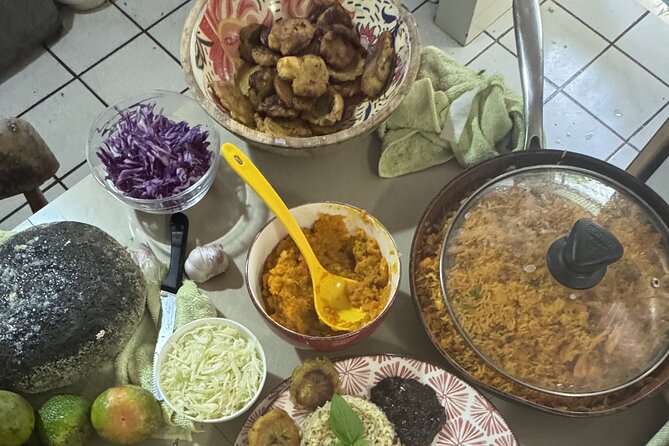
The most interesting part of this Tamarindo experience happens inside a local home, where Chef Astanda shares Guanacaste cooking through tortillas, chorreadas, patacones fritos, Olla de Carne, arroz de maíz, and other family-style dishes. I like the small maximum of eight people and the chance to choose a dish or accept a seasonal menu from local markets.
I also like the relaxed social side. You help prepare and then eat a full three-course meal, with stories, music, and plenty of conversation. The main caution is timing: although the experience is advertised at about 2 hours 45 minutes, some sessions have lasted four to four and a half hours, with much of that time spent chopping and preparing rather than cooking at the stove.
Key points to know before booking
- A home kitchen in Tamarindo: You meet at 855R+8V4 in Guanacaste Province and finish at the same place.
- Traditional Guanacaste dishes: Expect recipes such as tortillas, chorreadas, patacones fritos, Olla de Carne, arroz de maíz, and seasonal produce dishes.
- Astanda leads the cooking: She is known for her warmth, humor, family stories, and practical tips.
- Small group format: The stated maximum is eight people, though group size and space have not always felt consistent.
- Hands-on, but not always stove-on: You may do much of the chopping and assembly while the chef and assistant handle cooking at the stove.
- Come prepared to wait for dinner: Bring a snack beforehand if you need an early meal, especially with children.
Inside a Tamarindo home kitchen
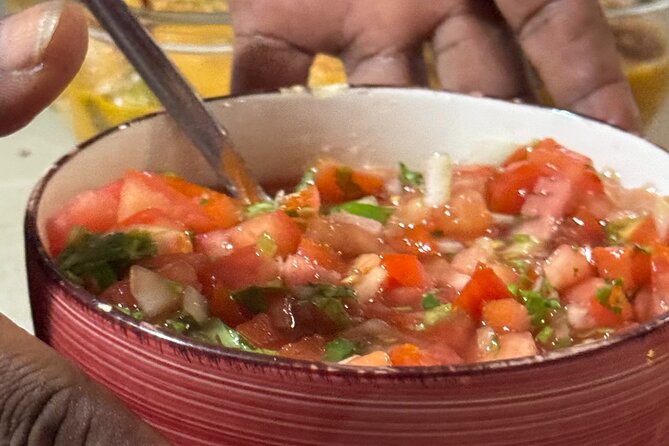
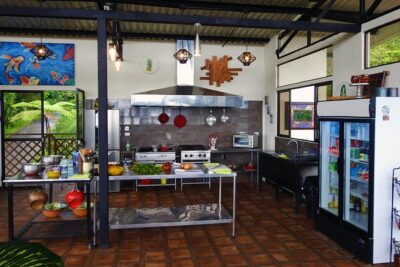
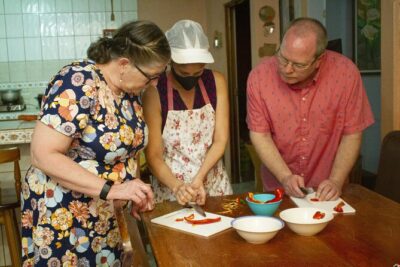
This is not a polished restaurant kitchen or a formal culinary school. The setting is a local home, and that shapes the whole evening. You sit close to the cooking, work around a shared table, and hear about Costa Rican food from someone who prepares it as part of daily life.
That home setting is the experience’s greatest strength. Instead of simply eating arroz con pollo at a restaurant, you see how ingredients come together in a family kitchen. You can ask about seasoning, local produce, cooking customs, and the stories behind the dishes. Astanda is frequently praised for being funny, welcoming, and generous with conversation.
The tradeoff is space. Eight people around a small table can feel crowded, and the kitchen is not designed like a professional teaching studio. You may have to watch from the side while someone else handles the stove. If you want quiet, precise instruction with your own workstation, this will feel informal.
Finding the home also takes a little care. The meeting point is near the center of Tamarindo and close to public transportation, but the entrance has not always been easy to identify. There may be no obvious sign. Contact the provider before setting out, and arrange local transport if you are not comfortable navigating the address.
More cooking classes in Tamarindo:
- Cooking and Salsa Dance Lesson Combo
★ 5.0 · 90 reviews - Sloth Tour in La Fortuna and Tortillas Cooking Class
★ 5.0 · 88 reviews - Cooking Class “Cook Like a Local” La Fortuna
★ 4.5 · 75 reviews
Choosing your Costa Rican menu
The experience is built around traditional food from Guanacaste and wider Costa Rica. You may choose what you would like to learn from several options, or let the chef suggest a seasonal menu based on ingredients from local markets.
That flexibility is useful because it lets you shape the class around your interests. You might focus on tortillas, learn the crisp technique for patacones fritos, or explore a dish that you will not often find on a standard Tamarindo menu. Olla de Carne offers a look at a slow-cooked Costa Rican staple, while arroz de maíz shows how corn fits into regional cooking.
The menu may also include plantain ceviche rather than fish ceviche. That can surprise anyone expecting a seafood class, but it reflects the local interest in using seasonal produce in familiar formats. Lime juice changes the texture and color of the plantain, creating a fresh, acidic dish without cooking it over heat.
Ask about the menu before you arrive if you have strong preferences, allergies, or dietary restrictions. The chef has been praised for paying attention to allergies, and communication before the class can help avoid disappointment. A person expecting a seafood-heavy meal, for example, should confirm whether the ceviche will use fish or green banana.
What you actually do during the 2-hour-45-minute plan
The planned format is straightforward. You meet the chef, learn about the ingredients, help prepare the dishes, watch traditional techniques, and sit down for a homemade three-course meal. The cooking may include a wood fire and the pilón, a traditional tool used to pound or process ingredients.
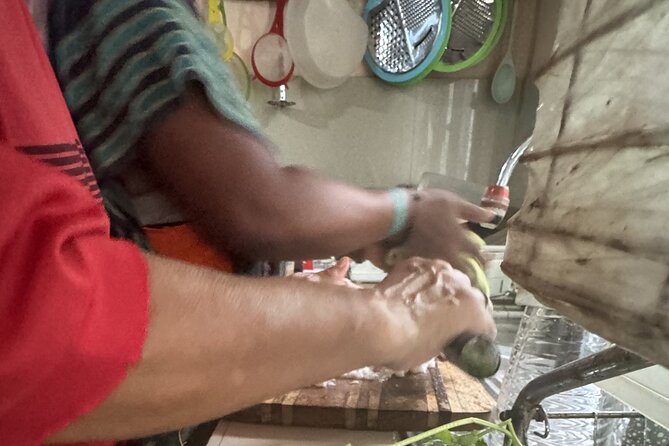
The important detail is the meaning of hands-on. In this class, hands-on may mean washing, cutting, chopping, mixing, shaping, and assembling. It does not always mean cooking one complete dish from beginning to end on your own.
Several accounts describe long stretches of vegetable preparation, sometimes involving very small cuts. The chef and assistant handle much of the stove work, partly for safety and partly because the kitchen is a home kitchen. You can watch and ask questions, but you may not have a turn controlling the heat or finishing the main dish.
That distinction matters at $99 per person. If your idea of a cooking class is learning a full recipe with measured ingredients and direct stove practice, ask for clarification before booking. If you enjoy contributing to a shared meal and learning through observation, the format may suit you well.
The provider says a new organization system has been introduced to keep the class closer to the advertised time, including with larger groups. Still, the earlier pattern is worth taking seriously. Some sessions ran more than four hours, so you should leave your evening open rather than planning a tight dinner reservation afterward.
Chopping, seasoning, and the rhythm of the evening
The food preparation can be social and enjoyable, especially if you like relaxed conversation. Music, stories, and occasional dancing have been part of the atmosphere. Astanda’s personality is a major part of the value. She shares stories about life in Costa Rica and keeps the mood friendly rather than formal.
But the casual rhythm can also become slow. In one especially critical experience, the group arrived around 5 p.m. and did not eat until about 9 p.m. Another account described more than four hours of chopping before dinner. That is a long wait for anyone who did not eat beforehand, and it is especially hard on young children.
Do not arrive starving just because the experience includes dinner. Have a snack first, then treat the meal as the final part of the evening. You still get plenty of food, but this simple step can prevent the class from feeling like an endurance test.
The working tools may also feel basic. Some accounts describe serrated or dull knives and a lack of precise measuring equipment. Traditional Costa Rican cooks often use instinct and visual judgment rather than cups and scales, which is part of the cultural lesson. Still, if you want exact recipes to reproduce at home, bring a phone or notebook and write down measurements as you go.
The provider says measured recipes are available on its website, but the information may not be presented during the class. Ask for the recipes and quantities before leaving. Otherwise, you may remember the flavor but not know how much lime, salt, or seasoning to use.
A few more Tamarindo half-days worth weighing up
- Surf Lesson in Tamarindo: Private and Group
★ 5.0 · 68 reviews - Surfing Lessons in Tamarindo by Tidal Wave Surf Academy
★ 5.0 · 67 reviews - 2-Hour Private or Group Surf Lesson in Tamarindo!
★ 4.5 · 46 reviews - Surfing Lesson in Tamarindo
★ 5.0 · 39 reviews
The food and the final three-course meal
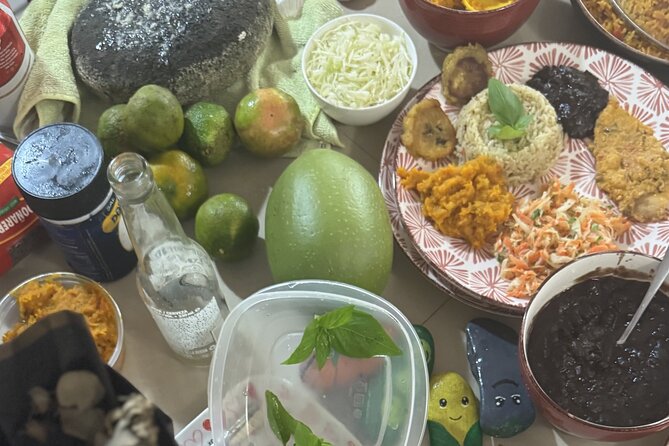
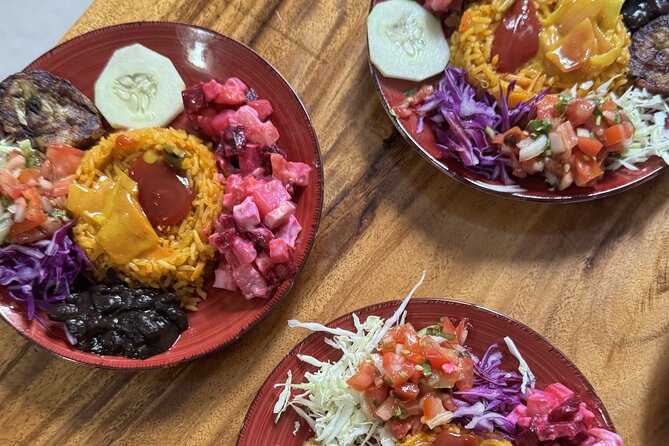
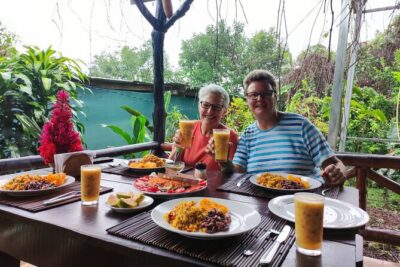
The meal is the reward for the preparation. You sit down together and eat what the group has made, which gives the evening a communal feel that a normal restaurant dinner cannot match.
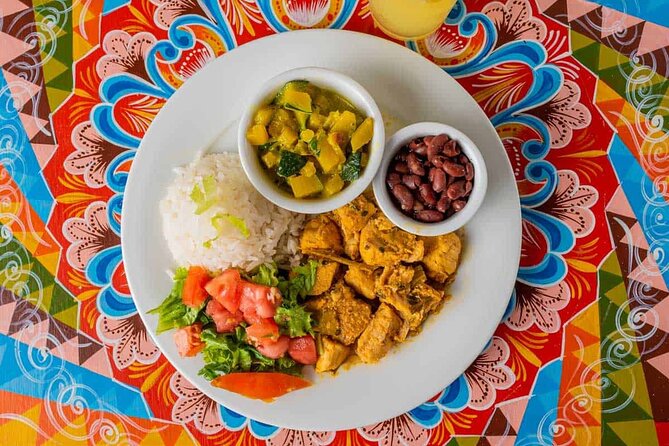
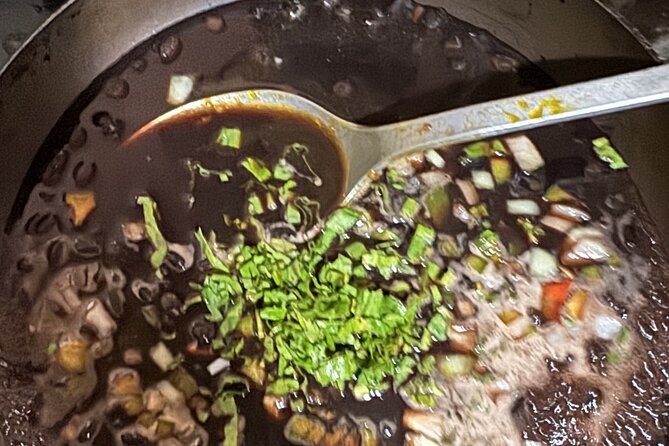
The strongest food praise has focused on the freshness and the traditional character of the menu. Slow-cooked beans, chicken and rice, dessert, and homemade dishes have all received positive attention. The food can be the best meal of a Tamarindo stay when the menu, timing, and cooking come together well.
Results may vary. One family found the beans excellent but considered the chicken and rice cold and bland. That kind of inconsistency is important at this price. You are paying not only for groceries, but also for instruction, hospitality, and a cultural setting. If the cooking is mostly done by the host and the final food is uneven, the value becomes harder to defend.
The three-course format does at least give you a complete meal rather than a tiny tasting. You should expect a generous amount of food and leave room for the final course. The menu changes with the chef’s selection and local ingredients, so you should not book expecting one fixed set of dishes unless you confirm it ahead of time.
What the price includes at $99
At $99 per person, this is a premium food activity for Tamarindo. The price makes sense when you place a high value on a small group, a local home setting, conversation with the chef, and a dinner built around regional food.
For two people, the cost is easy to compare with a good restaurant meal plus a separate cultural activity. The class gives you both food and a social experience, along with recipes and techniques you may use at home. The maximum of eight people can also make it more personal than a large demonstration.
The value is weaker if you measure the experience by hands-on cooking minutes. You may spend much of the time chopping rather than preparing a full dish. The equipment can be basic, the space can feel tight, and the actual duration has not always matched the stated 2 hours 45 minutes.
I would not book this expecting a professional skills course. I would book it as a cultural dinner with cooking participation. That mental adjustment is important. The people who enjoy it most seem to appreciate the host, the food, the stories, and the shared evening as much as the recipes.
Who will enjoy this, and who should think twice
This experience suits adults, couples, solo visitors, and families who enjoy meeting local people and eating traditional food. A family with older children may have a good time if the children like food preparation, music, and a social evening. One family with two 11-year-olds found plenty to enjoy, including dancing.
It is less suitable for young children who need an early dinner or frequent changes of pace. The long sessions can test patience, and the small kitchen may not offer much room to move. Tell the provider in advance if you need food served earlier or want a child-friendly arrangement.
It also suits you if you are curious about everyday cooking rather than restaurant technique. You will learn how local ingredients are used, see traditional tools such as the pilón, and hear why certain dishes matter. You may not receive a formal lesson in knife skills, heat control, or exact seasoning.
People with mobility or accessibility questions should contact the provider before booking. Service animals are allowed, and the meeting point is near public transportation, but the supplied information does not describe the home’s layout in detail.
Practical ways to make the evening better
Eat a light snack before you arrive. This is the single best tip if you do not want a long preparation period to overshadow the meal.
Confirm the start time, expected finish time, and menu. The official duration is about 2 hours 45 minutes, but earlier sessions ran four hours or more. Keep the rest of your evening free.
Ask for directions to the exact entrance. The address is near central Tamarindo, but the home may have little or no signage. If you are using a taxi, arrange the ride in advance and make sure the driver has the location.
Bring a phone or notebook for recipes. Ask the chef to show measurements if you plan to recreate the dishes. You may otherwise receive instructions by sight and instinct rather than exact quantities.
If you want more stove time, say so at the beginning. Ask whether you can cook one complete dish, watch a particular technique closely, or receive a short demonstration of knife work. Clear requests can help the chef shape the evening around your interests.
Cancellation and booking details
You receive confirmation when you book, and free cancellation is available until 24 hours before the local start time. Cancellations or changes made inside that 24-hour period are not accepted for a refund.
The experience is offered by DaviannaXperience. It ends back at the meeting point, which simplifies the return trip, though you should still plan your transportation carefully if the class runs late.
Should you book this Tamarindo cooking class?
Book it if you want a friendly Costa Rican food evening in a local home, enjoy conversation, and are happy to help prepare a shared meal. Chef Astanda’s warmth, the small group size, the regional dishes, and the final dinner give this experience real character.
Think twice if you want a tightly timed class, professional equipment, exact measurements, or the chance to cook every dish yourself. At $99, the experience needs to deliver more than a meal, so confirm the current format and expected duration before paying.
My call: this is a good choice for a curious adult or older child who values local contact more than polished instruction. Arrive fed enough to be patient, ask for the menu and recipes, and treat it as a cultural cooking evening rather than a standard culinary lesson.
FAQ
Where does the cooking experience meet?
It starts at 855R+8V4 in Guanacaste Province, Tamarindo, Costa Rica. The activity ends back at the same meeting point.
How long does the experience last?
The stated duration is approximately 2 hours 45 minutes. Some past sessions lasted four to four and a half hours, and the provider says it has introduced a new system intended to keep the experience closer to the planned duration.
How many people can join?
The stated maximum is eight people. The kitchen and table are in a home setting, so the space may feel compact when the group is full.
What dishes might I prepare?
Possible dishes include tortillas, chorreadas, patacones fritos, Olla de Carne, arroz de maíz, and other seasonal recipes. The menu can be selected from several options or recommended by the chef.
Will I cook a full dish myself?
You help with preparation, including chopping and assembling ingredients. The chef and assistant may handle much of the stove cooking, so ask in advance if you specifically want to cook one dish from start to finish.
Is the meal included?
Yes. You prepare and eat a freshly made three-course meal together at the end of the experience.
Is the activity suitable for children?
Children can attend, but the long preparation time may be difficult for young children. If you are bringing kids, confirm the expected timing and ask whether an earlier snack or meal arrangement is possible.
Can I cancel for a refund?
You can cancel at least 24 hours before the local start time for a full refund. Cancellations and changes made less than 24 hours before the start are not accepted for a refund.
Just added around Tamarindo
- Vandara Hot Springs & Horses+ Zipline+ sugarmill+ waterslide★ 5.0 · 12 reviews
- Surfing Lesson in Tamarindo★ 5.0 · 39 reviews
- 2-Hour Private or Group Surf Lesson in Tamarindo!★ 4.5 · 46 reviews
- Sloths in their natural habitat & Blue river waterfall★ 5.0 · 32 reviews
- PUBLIC Pacific Lounge Catamaran – Tamarindo SUNSET experience★ 4.5 · 54 reviews
- Rio Celeste, Tenorio Hike, Sloths Sanctuary & Meal★ 4.5 · 48 reviews
- Airport Transportation: San Jose Airport★ 5.0 · 7 reviews
- Private Transfer Tamarindo Beach to/from Liberia Airport★ 5.0 · 51 reviews
Cooking Classes, compared.

Sloth Tour in La Fortuna and Tortillas Cooking Class
Read our review →
Pura Vida Cooking Class in La Fortuna (From farm to table)
Read our review →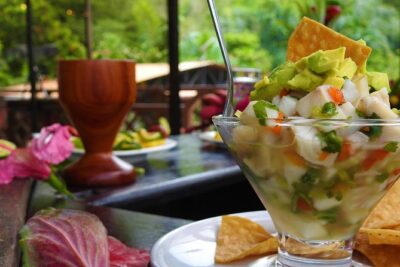
Private cooking class in organic farm at La Fortuna
Read our review →Browse the lists this tour appears in