
Reviewed · COOKING CLASSES
Cooking Class “Cook Like a Local” La Fortuna
The best part of this La Fortuna cooking class is that dinner is not just served to you. You help prepare a Costa Rican casado, make tortillas, chop vegetables, and sit down to eat what you made. The setting near El Salto waterfall gives the evening a pleasant sense of place, and the class works well when rain spoils outdoor plans.
I like the hands-on format and the chance to learn dishes you can actually repeat at home. I also like the easy hotel pickup and drop-off, plus the recipe follow-up some participants receive by email. The main caution is important: the experience may take place at a riverside restaurant-style venue rather than inside a Costa Rican family home or a working farm, so read the current description carefully before booking.
Key points to know
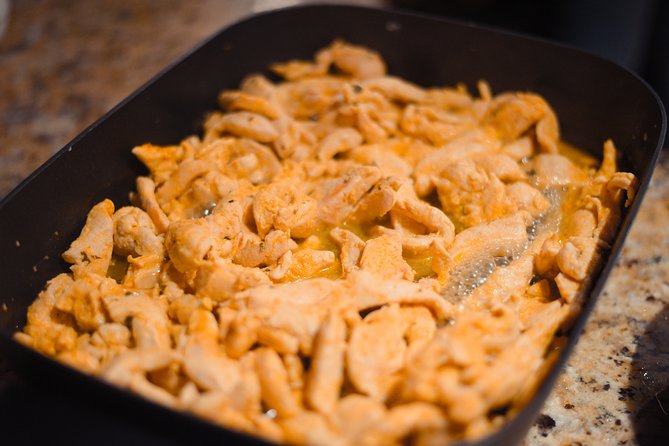
- Casado is the main event: Expect rice, beans, vegetables, tortillas, salad, and a main dish such as chicken.
- The cocktail starts the evening: You mix a sugarcane-based drink called the Kiss of the Cacique.
- The location is near El Salto: The covered riverside setting makes this a useful rainy-day activity.
- Participation can vary: Some sessions give everyone a job, while others may involve more watching than cooking.
- Kathy, Katherine, Jenny, and Eli have led sessions: The instructor can make a major difference to the evening.
- Tell the company about food needs: Gluten-free, vegetarian, and vegan options are available when arranged in advance.
A Costa Rican dinner you help make
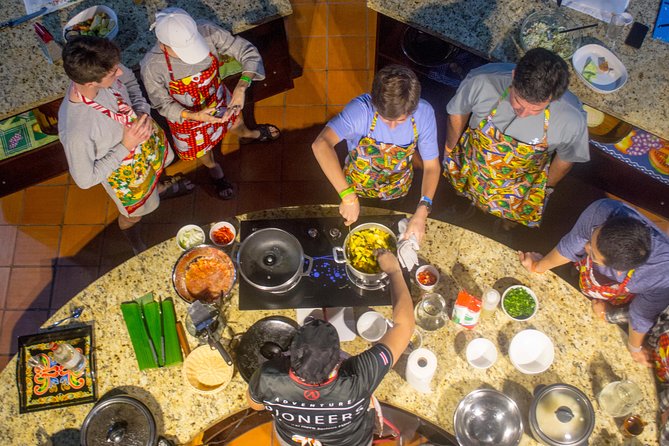
This is a practical introduction to Costa Rican home cooking, built around the country’s familiar casado meal. Casado often brings together rice, beans, vegetables, salad, tortillas, and a main protein on one plate. It is everyday food rather than restaurant theater, which is exactly why the class can be useful for you.
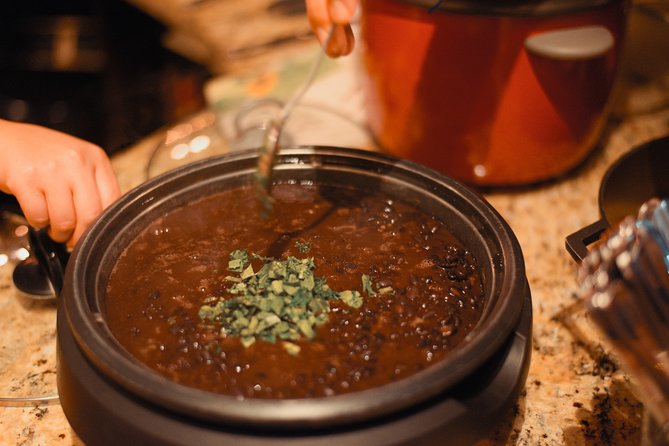
The dishes described for this class include chicken, rice and beans, chayote or another local vegetable preparation, cabbage salad, handmade corn tortillas, picadillos, and guisados. The exact menu may change, but the focus stays on simple Tico cooking that depends on fresh produce, basic seasoning, and shared preparation.
You begin with a tropical cocktail called the Kiss of the Cacique. It is made with sugarcane liquor, and mixing it gives the class an easy opening before knives and hot pans enter the picture. After that, the cooking begins in earnest, at least in the better-run sessions.
The meal is the reward, but it is also part of the lesson. You see how separate ingredients become a familiar Costa Rican plate, then eat together at the end. For families, this gives children a job beyond sitting at the table. One family specifically enjoyed having a ten-year-old help with the salad and vegetables.
More cooking classes in La Fortuna:
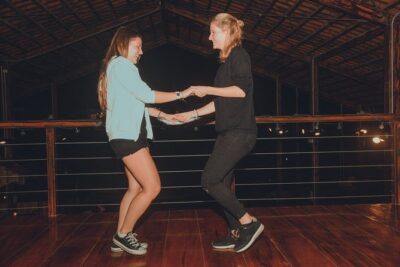
- Cooking and Salsa Dance Lesson Combo
★ 5.0 · 90 reviews - Sloth Tour in La Fortuna and Tortillas Cooking Class
★ 5.0 · 88 reviews - Pura Vida Cooking Class in La Fortuna (From farm to table)
★ 5.0 · 65 reviews
The setting near El Salto waterfall
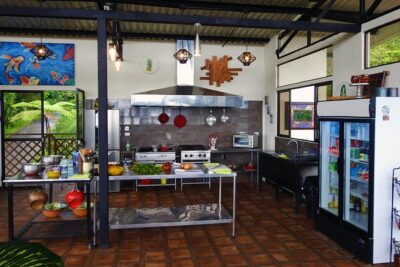
Pickup is scheduled for 5 p.m., with transportation from your La Fortuna hotel included. You are taken to the Desafio Adventure Company cooking venue near downtown La Fortuna, close to El Salto waterfall. The setting has been described as a beautifully lit open kitchen with tables down a steep hill, and the riverside location is one of the evening’s strongest features.
That setting matters because the class is not held in a plain classroom. You get a change of scene, some outdoor atmosphere, and a covered place to cook and eat. The activity is still dependent on good weather, but the cooking area itself is covered, making it a sensible choice when rain makes hiking or a viewpoint visit less appealing.
The description of the venue has not always been consistent. Some people arrive expecting a family home, a garden visit, and a farm-to-table lesson, then find a restaurant-style cooking area instead. The company has clarified that the class takes place at its riverside location near El Salto, not in a family’s home.
I would treat the location as a scenic cooking venue rather than a private-home visit. If meeting a Costa Rican family in their house is the main reason you are interested, confirm that point before paying. If you mainly want a pleasant place to prepare and eat local food, the riverside setting should fit the bill.
What happens during the two-and-a-half-hour evening
The stated duration is about two hours and 30 minutes. That allows time for transportation, the cocktail, food preparation, dinner, coffee, and conversation. A strong session should feel like a relaxed evening rather than a rushed demonstration.
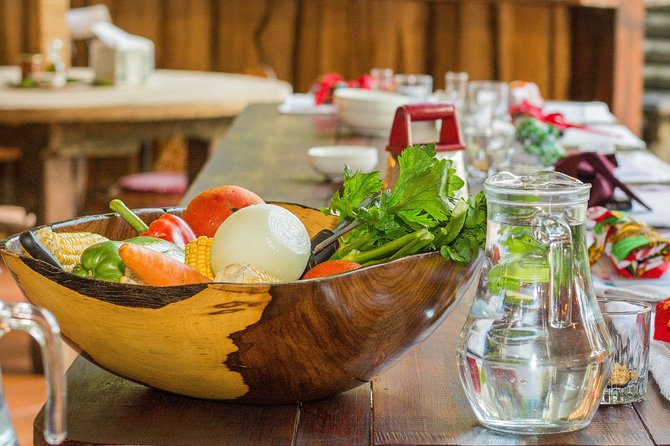
After arrival, you are introduced to the ingredients and the basic idea of getting food from the farm to the table. The class may include information about a garden and the produce used in the meal. You might pick herbs or salad ingredients, though this part has not been consistent for every booking.
Next comes the cocktail. The Kiss of the Cacique gives you an early hands-on task and a taste of local sugarcane liquor. It is a small detail, but it helps the evening feel like a social meal rather than a formal lesson.
The main cooking section covers several preparations. You may chop vegetables for picadillos, work on a guisado, form corn tortillas, prepare salad, and help with the rice, beans, or chicken. A well-run class divides the work so everyone has something to do. In larger groups, the room may split into two preparation areas, which can make conversation harder.
At the end, you sit down to eat. Coffee follows the meal, along with a chance to ask about recipes and Costa Rican food customs. Some participants have received the recipes by email soon after the class, which makes this more useful than a meal you simply enjoy and forget.
The instructors can shape the whole experience
The cooking itself is fairly simple, so the instructor matters a great deal. Kathy has been praised for guiding groups clearly and keeping families involved. Katherine has been described as personable, patient, and good at explaining both the food and daily Costa Rican life. Jenny has received praise for clear instruction and an engaging manner, while Eli has been singled out for explaining the meal and ingredients well.
Those names are useful because they show how much the tone can vary from one evening to another. A lively instructor turns basic chopping into a social lesson. A tired or disengaged instructor can reduce the class to prepared ingredients and a quick meal.
The strongest sessions give every person a task. You might shape tortillas, stir a pot, prepare salad, or work with vegetables. This is especially important if you are paying for a cooking class rather than simply booking dinner.
There have also been poor sessions in which much of the food was prepared before arrival, participants chopped only one vegetable each, and the class ended much earlier than expected. One account described a 90-minute finish instead of the advertised three hours, while another said there was not enough food for the full group. These reports are not typical of the overall score, but they are serious enough to keep in mind.
I would ask at the start how the work will be divided and what you will personally prepare. That simple question can help set expectations and may encourage a more active lesson.
A few more La Fortuna half-days worth weighing up
- White Water Rafting class V
★ 5.0 · 71 reviews - Awesome Fun Rafting Class 3 Balsa River 5-Hour Tour in La Fortuna
★ 5.0 · 62 reviews - Ceviche & Empanadas Cooking Class
★ 5.0 · 50 reviews - 3-Course Tropical Fusion Cooking Class
★ 5.0 · 44 reviews
Food quality, portions, and what you will actually learn
The food is generally described as basic but tasty. That is a fair description of Costa Rican home cooking. Do not expect a long tasting menu or elaborate restaurant techniques. Expect straightforward ingredients used in familiar combinations.
The casado format is valuable because it teaches you a complete meal, not just one party trick. Rice and beans, a vegetable preparation, salad, tortillas, and a main dish give you a useful foundation for cooking Costa Rican food at home. Picadillos are also practical because they turn vegetables into a seasoned side dish with little fuss.
The class can be especially rewarding if you want to understand how the parts of a Costa Rican meal fit together. You learn more than a single recipe, provided the instructor explains the order of preparation and the role of each ingredient.
Portions appear to be adequate in most sessions, and several people specifically left full. Still, a few poor accounts describe limited quantities and food running out. I would arrive hungry, as the activity is built around dinner, but I would not assume an all-you-can-eat meal.
Freshness is another point that needs a careful reading. The class description presents a garden visit and fresh ingredients. Some sessions have included herbs picked nearby, and some participants felt the produce was fresh and local. Others found that most ingredients had been bought at a grocery store and were already cleaned and prepared.
That does not make the cooking bad, but it changes the value. You are paying for instruction, participation, dinner, transportation, and a local setting. You are not guaranteed a full agricultural tour.
Is the $63 price fair?
At $63 per person, this class is more expensive than simply ordering a casado at a local restaurant. That comparison is fair, but incomplete. The price includes hotel transportation, an instructor, the cooking activity, the cocktail, dinner, and the chance to prepare the meal yourself.
I think the price works best for you if you value participation. A restaurant meal may cost less, but it will not show you how to make tortillas, prepare picadillo, or build a casado plate. The recipe follow-up adds value if you plan to recreate the meal at home.
The price is harder to justify if you expect a private family visit, a full garden tour, or a long agricultural lesson. It is also poor value if the session relies heavily on food prepared in advance or ends early.
Group size can reach 50 people, which is large for a personal cooking lesson. Most sessions appear to be smaller, including one group of nine and another of about twelve, but you should be prepared for a shared activity rather than a private class. Larger groups can make the meal lively, but they may also mean shorter individual cooking turns.
Who will enjoy this La Fortuna activity
I would recommend it most strongly to families, couples, and small groups who want a social evening with food at the center. Children as young as five can participate, and teenagers have enjoyed the chance to prepare and eat a traditional meal. The work is approachable, so you do not need serious kitchen skills.
It is also a good backup for a wet evening. The cooking area is covered, and the activity does not depend on a long walk or a clear view of Arenal Volcano. Hotel pickup helps after a full day of rafting, hiking, or sightseeing.
Food-focused visitors will get the most from it if they ask questions and take part in every task. You should not book it as a quiet dinner. You will be sharing a kitchen, working with other people, and eating at a common table.
I would be more cautious if you want a private, intimate meal, a professional culinary lesson, or a detailed farm visit. The class is aimed at accessible cultural cooking, not advanced technique.
Food restrictions are worth mentioning when you book. Gluten-free, vegetarian, and vegan options are available, but the company asks you to provide allergy and dietary information in advance. Service animals are allowed, and the venue is near public transportation, though hotel pickup is the easier choice for most people.
Booking advice and cancellation details
The class starts at 5 p.m. and lasts about two hours and 30 minutes. Pickup and drop-off are included, so confirm your hotel details when booking. The activity ends back at the meeting point or with return transportation, depending on the pickup arrangement.
You can cancel for a full refund up to 24 hours before the local start time. Changes or cancellations inside that 24-hour window are not accepted and are not refunded.
The class requires good weather and a minimum number of participants. If poor weather or low enrollment cancels the activity, you can choose another date or experience, or receive a full refund.
Because the activity averages about 21 days of advance booking, I would reserve it early during a busy La Fortuna visit. The confirmation is issued at booking, and the maximum stated group size is 50.
Should you book Cook Like a Local?
Book it if you want to prepare a simple Costa Rican dinner, meet other people over food, and leave with recipes you can use at home. The best sessions feature an active instructor such as Kathy, Katherine, Jenny, or Eli, fresh ingredients, plenty of cooking jobs, and a relaxed meal in a pleasant riverside setting.
Before booking, adjust your expectations. This is not reliably a private family-home visit or a full farm-to-table tour. Confirm the venue and ask how hands-on the current session will be. If you are happy with a group cooking class near El Salto waterfall, the $63 price is reasonable. If the family visit and garden picking are essential, choose only after verifying those details directly.
FAQ
Where does the cooking class take place?
The class takes place at a Desafio Adventure Company venue near El Salto waterfall and downtown La Fortuna. It is described as a covered riverside cooking location with an open kitchen and tables.
What time does the activity start?
The scheduled start time is 5 p.m.
How long does the cooking class last?
The activity lasts approximately two hours and 30 minutes.
Is hotel pickup and drop-off included?
Yes. Hotel pickup and drop-off are included, so you do not need to find a separate meeting point.
What food will I prepare?
The class focuses on a traditional Costa Rican casado. Preparations can include rice and beans, chicken, picadillos, guisados, salad, and handmade corn tortillas.
Is dinner included?
Yes. Dinner is included, and you eat the meal prepared during the class.
Can dietary restrictions be accommodated?
Yes. Gluten-free, vegetarian, and vegan options are available. You should provide allergy and dietary information when booking.
What is the cancellation policy?
You can cancel at least 24 hours before the local start time for a full refund. Cancellations or changes made less than 24 hours before the start are not refunded. If the company cancels because of poor weather or insufficient enrollment, you can choose another date or experience, or receive a full refund.
Just added around La Fortuna
- Adrenaline Pack (Zipline + Rafting)★ 5.0 · 40 reviews
- White Water Tubin in the river BALSA★ 5.0 · 40 reviews
- Ceviche & Empanadas Cooking Class★ 5.0 · 50 reviews
- Arenal Volcano Guided Hiking Tour – Lava Trails & Rainforest★ 4.5 · 35 reviews
- La Fortuna white water rafting + Authentic Costa Rican Lunch★ 5.0 · 54 reviews
- Transportation from La Fortuna to Tamarindo Beach★ 5.0 · 36 reviews
- Peñas Blancas River: Wildlife Safari Experience by Raft★ 5.0 · 34 reviews
- Slothies and Birds Sightseeing★ 5.0 · 44 reviews
Cooking Classes, compared.
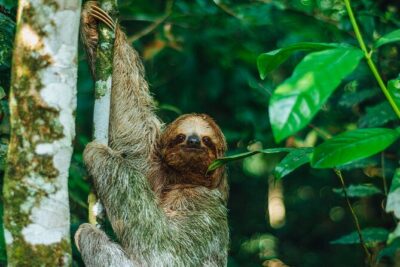
Sloth Tour in La Fortuna and Tortillas Cooking Class
Read our review →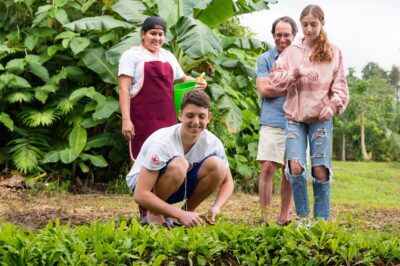
Pura Vida Cooking Class in La Fortuna (From farm to table)
Read our review →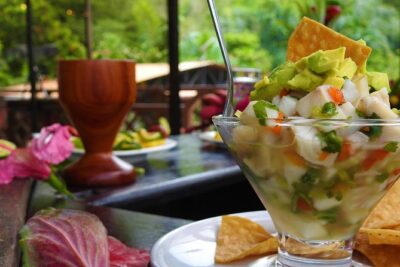
Private cooking class in organic farm at La Fortuna
Read our review →Browse the lists this tour appears in