
Reviewed · TURTLE NESTING TOURS
Turtle Nesting Tour
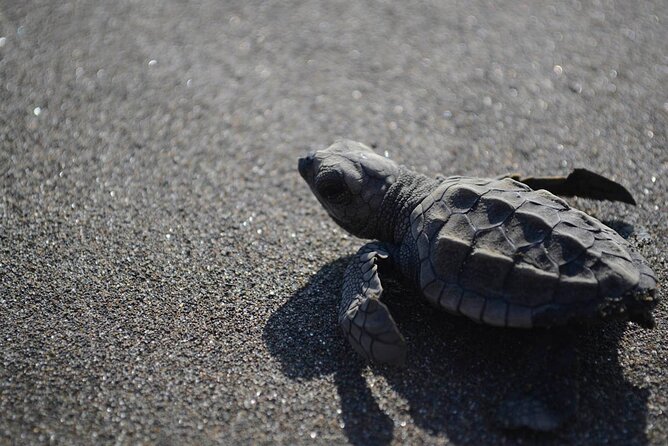
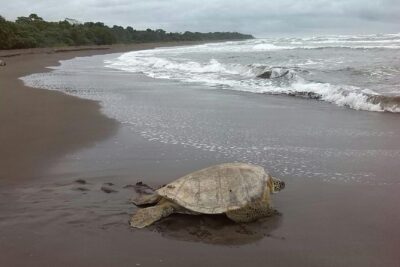
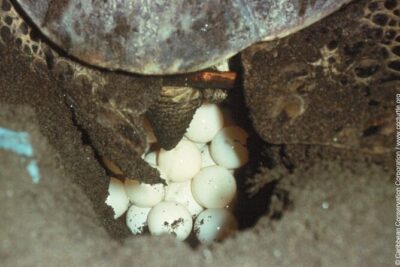
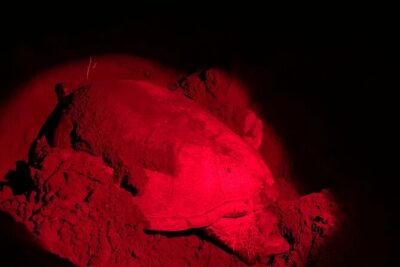
A female sea turtle emerging from the Pacific after sunset is the heart of this experience. Near Playa Mina, you walk a dark beach, follow fresh tracks, and watch from behind as a turtle lays eggs, covers the nest, and returns to the sea. On lucky nights, you may also see hatchlings making their first run to the water.
I like the small maximum group of 10, which gives you a better chance of seeing the action without adding a noisy crowd. I also like the clear conservation focus: dark clothing, no distracting lights, and careful viewing from behind the turtle. Guide Luis is often praised for his turtle knowledge and sharp eye.
The main consideration is that nature keeps its own schedule. Some evenings bring several turtles and hatchlings. Others bring only old tracks, empty nests, or a long wait. The drive can be rough, the beach is dark, and the outing may feel more adventurous than polished.
Key points to know before booking
- The turtle search begins near Playa Mina, reached by a rough 25-kilometer drive and a 10 to 15-minute walk.
- You spend about an hour on the beach, though some outings have lasted longer when turtle activity was high.
- Possible sightings include olive ridley, green, black, and leatherback turtles, but no sighting is guaranteed.
- Guide Luis is a major part of the experience, offering turtle information and searching carefully for nesting activity.
- Round-trip pickup from Tamarindo is included, along with bottled water, snacks, and a flashlight.
- Dark clothing and long trousers are essential, since bright colors and lights can disturb nesting turtles.
Why this night on the beach feels different
Many wildlife tours give you a set viewing point and a set time. This one asks you to slow down and accept uncertainty. You travel after sunset to a beach that remains dark because vehicles cannot reach it, then search for tracks and signs rather than walking straight to a guaranteed animal encounter.
That unpredictability is both the charm and the risk. A successful evening can bring a mother turtle, several nests, and hundreds of hatchlings. A quiet evening can still bring sunset, crabs, old tracks, empty egg shells, and a better understanding of how difficult turtle nesting really is.
I like that the experience is not built around touching or handling wildlife. You sit behind the turtle, keep your movements controlled, and let the animal complete its work. The goal is not to make the turtle perform for you. It is to watch without becoming part of the problem.
The tour receives a 4.6 rating from 132 reviews, with many strong reports about the guide and the sightings. The lower ratings are useful too. They show that the experience can involve rough transport, weak lighting, long waits, and no turtles at all. You should book it as a wildlife search, not as a guaranteed show.
More turtle nesting nights in Tamarindo:
- Night Turtle Nesting Tour from Tamarindo
★ 4.0 · 206 reviews - Turtle Nesting night Tour in Tortuguero
★ 4.5 · 71 reviews - Turtle Tour
★ 5.0 · 71 reviews
From Tamarindo to the dark beach near Playa Mina
Pickup starts at about 5 p.m. in Tamarindo. The drive covers roughly 17 miles, or 25 kilometers, and takes around 40 minutes, though the road conditions can affect the timing. The route includes rough tracks, and several people describe the ride as very bumpy.
That road is part of why the beach remains suitable for nesting. Since cars cannot reach the sand, the shore stays darker and quieter than an easy-access beach. This helps explain why turtles use the area, but it also means you should not expect a smooth transfer in a large tour vehicle.
The transportation arrangements deserve a little care. Round-trip transport from Tamarindo is included, and most bookings use the guide’s vehicle. However, past outings have involved vehicle problems or, in some cases, guests following in their own car. I would confirm the pickup plan before departure, especially if you have a standard rental car that is not suited to rough roads.
Some accounts describe a van or truck issue that changed the transport arrangement. One particularly serious account involved a vehicle break-in at a roadside parking area. That appears to have been an unusual incident rather than a normal part of the tour, but it is still a reason to ask exactly where you will park and how the transfer will work.
The rough road is not a minor footnote. If you get motion sickness, have a bad back, or dislike jolting rides, this may not be your best evening activity. A few people describe the route as the roughest part of their Costa Rica trip. Others see it as part of the adventure.
The short walk to Playa Mina
After parking, you walk for about 10 to 15 minutes to reach the beach. The path is dark, and the walk may feel longer if rain has made the ground wet or uneven. Comfortable walking shoes are a must.
Bring mosquito repellent, a long-sleeved top, and long trousers. Your clothes should be dark, not white or brightly colored, so you do not distract the turtles. Rain gear is also sensible because the tour can operate in changing conditions, though poor weather may lead to cancellation or a new date.
Once you reach the beach, the guide searches for turtle tracks. These marks in the sand can lead to a nesting female, a completed nest, or a place where hatchlings have recently emerged. The walk is quiet by design. You are not there to chatter loudly or sweep the beach with a bright phone light.
The beach itself is part of the experience. Several outings have included a sunset before the turtle search begins, and some people found the sky and remote shore worthwhile even before seeing an animal. You might also notice crabs, sea urchins, starfish, bioluminescent plankton, old egg shells, and disturbed sand around former nests.
Those details matter because they give you something to observe when turtles do not appear. Still, the tour is sold around sea turtles, and you should be honest with yourself about the tradeoff. If a no-sighting evening would ruin your night, choose a more predictable activity.
Watching a turtle nest without disturbing it
The usual viewing position is behind the turtle. You sit quietly while she lays eggs, covers the nest with sand, and eventually moves back toward the water. The guide follows conservation rules set by government authorities and should control the group’s position, movement, and light.
Do not use your phone flash. Do not crowd the turtle. Do not stand in front of her path or touch her. The dark clothing requirement is not a costume choice. It helps reduce visual disturbance during one of the most vulnerable parts of the animal’s life cycle.
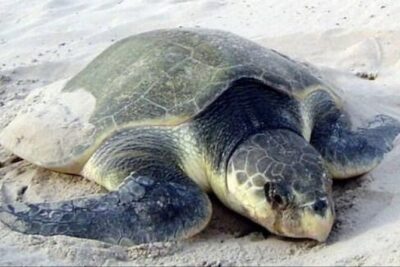
The possible species include green turtles, black turtles, olive ridleys, and, with luck, leatherbacks. The experience can vary widely. One evening might produce three nesting females at different stages. Another might bring several turtles coming ashore to inspect possible nesting sites, only for one to turn around and return to the water.
That last event is worth understanding. A turtle may leave without laying eggs, perhaps because the site does not suit her or because activity around her feels unsafe. It can be disappointing, but it is still a real part of turtle behavior. You are watching an animal make its own choice, not receiving a scheduled presentation.
Guide Luis is repeatedly singled out for his ability to locate turtles and explain the process. His work involves scanning the beach, reading tracks, and sometimes coordinating with other guides to find activity. His role matters because a dark beach can look empty to an untrained eye.
At his best, Luis adds context about turtle species, nesting stages, conservation, and Costa Rican wildlife. Families have found his enthusiasm especially appealing, including one outing where an eight-year-old ranked him as a favorite part of the trip. The strongest experiences combine his instruction with patience and good timing.
A few more Tamarindo half-days worth weighing up
- Private Transfer Liberia Airport
★ 5.0 · 227 reviews - La Leona Waterfall Guided Tour+Transportation
★ 5.0 · 124 reviews - Rio Celeste Waterfall Plus Sloths and wildlife Sanctuary
★ 5.0 · 110 reviews - Half-Day Snorkeling Experience in Tamarindo
★ 4.5 · 108 reviews
Hatchlings can turn the evening into something special
Adult turtles are not the only possible sight. You may see a nest release dozens or even hundreds of tiny turtles, then watch them move toward the water. Several outings have included hatchlings, and one group helped guide a newly emerged turtle toward the ocean.
This is where good guidance matters. Hatchlings are fragile, and human interference can harm them even when intentions are kind. Follow the guide’s instructions closely, keep lights away from the beach, and do not handle a baby turtle unless the guide specifically directs you and conservation rules allow it.
A hatchling sighting is never guaranteed. Neither is an adult turtle. The nesting season, weather, moonlight, beach conditions, and timing all affect what you see. The tour is recommended most strongly for people who can appreciate the search itself and accept that the best moment may not happen.
One outing found only empty nests and egg remnants after waiting in rain. Another found three adult turtles. Both are plausible versions of this activity. The difference is not necessarily the guide’s effort. Wildlife simply does not follow a booking calendar.
What the $65 price includes
At $65 per person, the price covers about three to four hours, pickup and return in Tamarindo, a flashlight, bottled water, and snacks. For a successful small-group outing with a skilled guide, that is a fair price for the transport, local searching, and conservation-sensitive access to a remote beach.
The value depends heavily on what you want. If you see several turtles or hatchlings, the price can feel modest for a memory that is difficult to recreate on your own. If you see only tracks, the cost is harder to justify, though you still receive the drive, guide time, beach access, and interpretation.
Snacks may include vegan options, according to one account. Still, do not treat the included food as dinner. Eat beforehand or bring anything you need, especially if you are traveling with children.
Gratuity is not included. Comfortable shoes and mosquito repellent are also your responsibility. The tour supplies a flashlight, but reports of limited lighting make it sensible to ask how many lights will be available for the group. Use only the light the guide permits near turtles.
The tour requires at least two bookings to operate and accepts a maximum of 10 people. A smaller group usually makes quiet beach viewing easier. Confirm the group size if a calm, personal experience is important to you.
Who should book this turtle search
I would recommend this outing to you if you enjoy wildlife, can walk in the dark, and are comfortable waiting without a guarantee. It is a good fit for families with children who can remain quiet and follow instructions, couples looking for an unusual evening, and anyone who would rather see animals in nature than at a fixed enclosure.
It is also a good choice if you enjoy learning about conservation. The point is not simply to take a photograph. You learn why dark beaches matter, how nesting works, and how vulnerable both mothers and hatchlings are.
I would think twice if you need a smooth, tightly timed excursion. The roads are rough, the beach is dark, and the wait may stretch beyond the advertised hour when there is activity. People with serious mobility limits may find the walking and uneven route difficult, since the tour involves a beach walk and no accessibility details are provided.
You should also be comfortable traveling with a guide you have not met before and clarify the vehicle arrangement in advance. Most outings appear to finish with a return to the Tamarindo meeting point, but transport problems have affected some departures.
Timing, cancellations, and practical preparation
The stated start time is 5 p.m., which lets you reach the beach around sunset and continue after dark. Some outings have run longer than the approximate three-hour schedule, especially when turtles were active or when the group moved to another beach in search of sightings.
The experience depends on good weather. If conditions force a cancellation, you are offered another date or a full refund. You can also cancel for a full refund up to 24 hours before the start time. Cancellations or changes within 24 hours are not refunded.
Pack lightly but wisely:
- Dark long-sleeved clothing and long trousers
- Comfortable walking shoes
- Mosquito repellent
- Rain protection
- A small amount of food if you need more than snacks
- Patience and a willingness to keep quiet
Leave bright clothing and unnecessary lights behind. The less you disturb the beach, the better the experience is for both you and the turtles.
Should you book the Tamarindo Turtle Nesting Tour?
Book it if your idea of a great evening includes a rough road, a quiet beach, and the chance to witness one of nature’s most unusual rituals. Guide Luis appears to be the main strength, especially when he is actively searching, explaining turtle behavior, and managing the group around nesting animals.
Do not book it expecting a guaranteed turtle, a smooth ride, or a polished resort-style excursion. Ask about the vehicle, confirm the pickup details, and accept that you may see tracks rather than turtles. If you can make peace with that uncertainty, the chance to watch a mother lay eggs or hatchlings reach the sea makes this a worthwhile Costa Rican experience.
FAQ
Where does the Turtle Nesting Tour take place?
The tour travels from Tamarindo to a remote beach near Playa Mina. The beach cannot be reached by car, so you walk about 10 to 15 minutes from the parking area.
What time does the tour start?
The stated start time is 5 p.m. The timing allows you to reach the beach around sunset and continue searching after dark.
How long does the tour last?
The tour is listed as lasting about three to four hours. The time can vary if turtle activity continues or if the group searches another beach.
How much does the tour cost?
The price is $65 per person. Round-trip transportation from Tamarindo, a flashlight, bottled water, and snacks are included.
Which turtles might I see?
Possible sightings include green turtles, black turtles, olive ridley turtles, and leatherbacks. The exact species and number depend on natural conditions.
Is seeing a turtle guaranteed?
No. You may see nesting turtles, hatchlings, old tracks, empty nests, or egg shells. Nature determines what is active during your visit.
What should I wear and bring?
Wear dark long-sleeved clothing and dark trousers, plus comfortable walking shoes. Bring mosquito repellent and consider rain protection. Bright clothing and distracting lights should be avoided.
What is the cancellation policy?
You can cancel at least 24 hours before the start time for a full refund. Cancellations or changes made within 24 hours are not refunded. If poor weather or too few bookings cancel the tour, you are offered another date or a full refund.
Just added around Tamarindo
- Vandara Hot Springs & Horses+ Zipline+ sugarmill+ waterslide★ 5.0 · 12 reviews
- 2-Hour Private or Group Surf Lesson in Tamarindo!★ 4.5 · 46 reviews
- Surfing Lesson in Tamarindo★ 5.0 · 39 reviews
- Traditional Cooking Class In Tamarindo★ 4.5 · 49 reviews
- Sloths in their natural habitat & Blue river waterfall★ 5.0 · 32 reviews
- PUBLIC Pacific Lounge Catamaran – Tamarindo SUNSET experience★ 4.5 · 54 reviews
- Rio Celeste, Tenorio Hike, Sloths Sanctuary & Meal★ 4.5 · 48 reviews
- Airport Transportation: San Jose Airport★ 5.0 · 7 reviews
Turtle Nesting Tours, compared.
Observation of Turtles in their Natural Habitat in Tortuguero
Read our review →
The best of Tortuguero: Canoe, hike and night tour (turtle in Jul-Oct)
Read our review →Browse the lists this tour appears in