
Reviewed · SNORKELING
Half-Day Snorkeling Experience in Tamarindo
Catalina’s Archipelago is the main attraction here, and the ride out can be as interesting as the snorkeling. From Tamarindo, you travel about 45 minutes by boat to two open-water sites where guides point out fish, rays, eels, turtles, dolphins, and, on lucky days, whales.
I like the small group limit of 15 and the attentive water guides, especially Lily and Clara, who have helped first-time snorkelers with masks, pacing, and getting safely back to the boat. I also like that this is a true marine-life trip, not a party cruise with snorkeling tacked on.
The catch is the Pacific itself. Wind and swell can be serious, especially in January and February, and several people found the ride or the snorkeling rough enough to cause seasickness. If you need calm, shallow water, this may not be your best choice.
Key points to know before booking
- Two guided water sessions: You get two chances to see marine life at the Catalina Archipelago, or at Cabo Velas if conditions are too windy.
- Early start: Meet at Tamarindo Diving Center at 6:40 am and return around noon.
- Wildlife is unpredictable: Fish are common, while rays, turtles, dolphins, eels, octopuses, sharks, and whales are possible but never promised.
- A shared boat: Snorkelers travel with scuba guests, so the trip is built for both groups.
- Rough water is the main risk: Bring motion-sickness medicine if you use it, and understand that visibility can change day by day.
- Good family support: Children from age eight can join with an adult, and the crew has experience helping nervous or inexperienced swimmers.
Why this Tamarindo trip is different from a casual beach snorkel
This is an offshore marine excursion, not a quick swim from Tamarindo beach. You first check in at Tamarindo Diving Center, try on your mask and fins, and then head to the beach. A small boat carries you out to the larger boat, which makes the trip feel like a proper morning on the Pacific rather than a simple equipment rental.
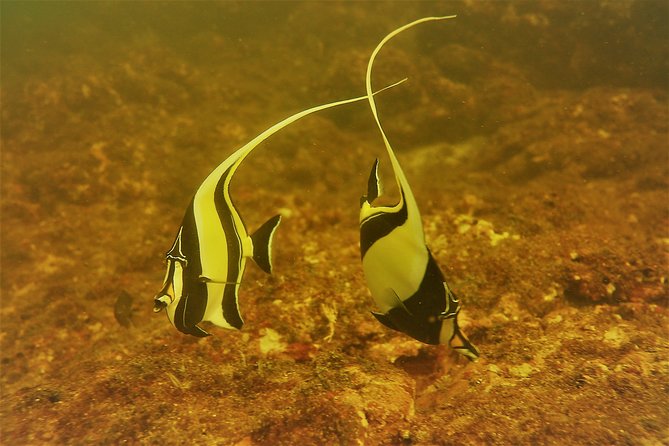
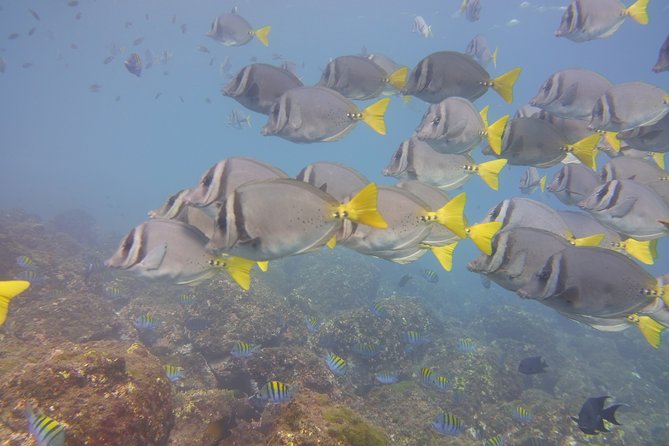
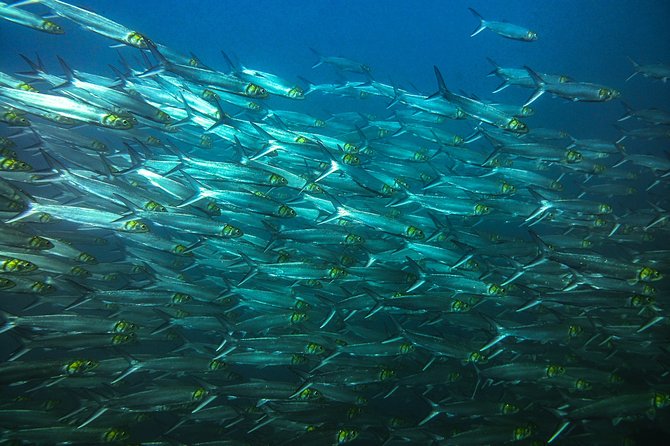
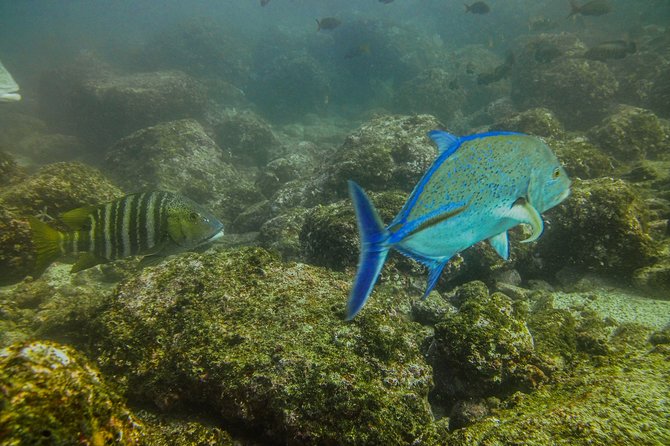
The Catalina Archipelago gives the trip its purpose. The islands are far enough offshore to offer a chance at larger animals and wider marine life than you might see in shallow coastal water. People have spotted manta rays, eagle rays, white-tipped reef sharks, octopuses, eels, puffer fish, turtles, dolphins, flying fish, and schools of smaller tropical fish.
That list needs a little context. You are not visiting an aquarium, and no guide can order up a manta ray or a whale. Some mornings bring spectacular sightings. Other mornings bring fish but cloudy water. Your experience depends heavily on wind, swell, plankton, visibility, and the animals’ own schedule.
I like that the guides treat the water time as the main event. This is not a sunset cruise with a token swim. The day is organized around two snorkeling sessions, each accompanied by a guide who helps keep the group together and identifies things worth seeing.
More snorkelling spots near Tamarindo:
- Blue Dolphin Catamaran Snorkeling Sunset Cruise from Tamarindo
★ 4.5 · 97 reviews - Private catamaran sailing sunset tour & snorkeling from Tamarindo
★ 5.0 · 33 reviews - Tamarindo: Guided Snorkeling Tour with Marine Life Spotting
★ 4.4 · 22 reviews
The 6:40 am start and the trip to the beach
You meet at Tamarindo Diving Center at 6:40 am, at 200 meters east of El Chiringuito on Calle Cruz. Arriving early matters because you need time to try on the equipment before moving to the beach.
The gear includes a mask, snorkel, and fins. Several people found the equipment well maintained, and the crew has replaced masks or offered practical adjustments when a seal was not working properly. Guides have also helped children who needed time to get comfortable breathing through a mask.
From the beach, a small boat transfers you to the larger vessel. This extra step is worth understanding before you book. You are not walking straight from the sand onto a big excursion boat, and you may need to manage your equipment and footing during the transfer.
The larger boat has shade, and the group size is capped at 15 people for the activity. In practice, the boat can include both snorkelers and scuba guests. That means you may share the vessel with a larger mixed group, although the snorkeling group itself can remain fairly manageable.
Forty-five minutes across the Pacific
The ride to the islands takes about 45 minutes. I would treat this as part of the experience, not dead time. The Pacific views open up, and you may see dolphins, turtles, flying fish, seabirds, or migrating humpback whales from the boat.
Bring binoculars if you have them, though the tour does not require them. A phone case that can be secured around your neck or attached to you is also sensible if you plan to take pictures from the boat. Sitting at the front can be fun, but it exposes you more to spray and movement.
The ride can be smooth, but that is not guaranteed. The strongest warning in the available feedback concerns motion sickness. One party reported that many people on the boat became ill on a windy morning, while others said the water was rough but still manageable. January and February are specifically noted as windier months, so conditions can change the character of the trip.
If you are prone to seasickness, take your usual preventive medication before departure if that is appropriate for you. Eat lightly, keep your eyes on the horizon when possible, and tell the crew early if you feel unwell. A rough ride can spoil the snorkeling before you even reach the islands.
Two snorkeling sessions at Catalina’s Archipelago
Once you reach the Catalina area, you get two guided snorkeling sessions. If wind makes Catalina unsuitable, the alternate area is Cabo Velas.
The exact sites and visibility vary. Some outings offer clear enough water to see colorful fish, eels, rays, and larger animals. Other outings encounter plankton or stirred-up water, which can make the view cloudy. The water may still contain plenty of life, but poor visibility limits how much you can see.
You will be accompanied in the water rather than simply dropped at a site and left alone. Guides have pointed out unusual animals, kept nervous swimmers close, and offered flotation support when someone needed to return to the boat. Pool noodles may be available in rougher conditions.
This support is especially useful for first-time snorkelers. You still need a moderate level of physical fitness and enough comfort in open water to manage a boat-based activity. The crew can help with equipment and pacing, but it cannot remove the waves or turn the Pacific into a swimming pool.
The second session may be more challenging if the wind rises during the morning. One important practical lesson is to conserve your energy during the first swim. You do not need to swim hard to keep up, and you should tell the guide if you feel tired, cold, dizzy, or seasick.
A few more Tamarindo half-days worth weighing up
- Half-Day San Jose Evening Bus Tour with Dinner and Pickup
★ 4.0 · 112 reviews - Irazú Volcano National Park (Half Day)
★ 4.5 · 104 reviews - Rainforest Aerial Tram Half Day Pass – Braulio Carrillo Park
★ 4.5 · 92 reviews - La Leona waterfall adventure hike half day
★ 5.0 · 79 reviews
What you may see beneath the surface
The smaller fish are the most dependable reward. You may see schools of colorful fish, puffer fish, eels, and other reef creatures. Stingrays and eagle rays have appeared, and some outings have produced manta rays or groups of rays moving below the snorkelers.
Larger sightings are possible during the boat ride as well as in the water. Dolphins, turtles, and flying fish have been seen along the route. Humpback whales are seasonal visitors, so the migration period gives you a chance, not a guarantee, of seeing them.
Octopuses and white-tipped reef sharks have also been spotted. These sightings are exciting, but they should not be treated as the standard result of every trip. The most honest way to book this experience is to expect a scenic offshore ride, two attempts at snorkeling, and a reasonable chance of marine life, while accepting that nature controls the final score.
Visibility deserves special attention. Plankton can attract bigger animals, but it can also make the water murky. A day with less-than-perfect visibility may still produce memorable animals, while a clear day may show off smaller fish beautifully.
The guides make the biggest difference
The strongest part of this operation is the crew’s care in the water. Lily is repeatedly singled out for helping beginners, showing people unusual fish, and keeping the mood calm. Clara has also been praised for responding to different family abilities and offering support when someone became seasick or wanted to return to the boat.
That matters because snorkeling is easy for some people and surprisingly stressful for others. A leaking mask, an awkward breathing rhythm, or a sudden swell can quickly shake your confidence. A guide who notices those problems early can turn a frustrating swim into a manageable one.
The guides also serve as spotters. An experienced eye may notice an eel tucked into a crevice, an octopus changing color, or rays passing below the group. Ask questions and stay near the guide if seeing marine life is your priority.
The operation is bilingual, and the crew has helped children and older beginners. Still, this is not a fully private snorkeling charter. If most of the boat is scuba guests, the schedule and attention will be shared between two types of participants.
Snacks, water, and what to pack
Snacks and water are included on the boat. The snacks have been described as a welcome part of the morning, particularly after the first swim. Lunch is not included, so plan to eat after returning to Tamarindo.
Bring a towel, sunscreen, hat, and jacket. The jacket is useful for the boat ride, especially early in the morning or when spray and wind make the open water feel cooler than expected. You should also bring any motion-sickness medication you normally use.
Sunscreen needs a little thought on a snorkeling trip. Apply it before leaving and reapply as needed, but use a product suitable for ocean conditions. The tour supplies the main snorkeling equipment, so you do not need to carry your own mask and fins unless you prefer your personal gear.
Photos are less certain. Guides may use an underwater camera, but you should not book this expecting a guaranteed photo package or automatic delivery of images. Bring a secure phone case for the boat if photographs matter to you.
Is $95 a fair price?
At $95 per person, the price includes equipment, a professional guide, water, snacks, the boat trip, and two snorkeling sessions. For Tamarindo, that is reasonable value if you want an offshore experience with organized transport and marine-life guiding rather than a short local swim.
The value depends on conditions. On a calm morning with good visibility and wildlife sightings, the combination of boat scenery and two water sessions can justify the cost. On a rough, cloudy day, you may spend much of your energy managing the sea instead of enjoying the animals.
The small maximum group size helps. You are not paying for a private boat, but a cap of 15 activity participants gives the crew a better chance to help individuals. The fact that the boat also carries scuba guests is worth weighing if snorkeling is your only interest.
The trip is often booked about 21 days ahead, so reserve early if your schedule is tight. You can cancel for a full refund up to 24 hours before departure. If poor weather cancels the outing, you should be offered another date or a full refund. The same applies if the minimum number of participants is not reached.
Who should book this morning on the water?
I would recommend it to confident swimmers, families with children eight and older, couples who want a serious marine outing, and anyone excited by the possibility of rays, dolphins, turtles, or whales. It also suits first-time snorkelers who appreciate active guidance and are comfortable trying open-water conditions.
It is less suitable if you get seasick easily, dislike choppy water, or want guaranteed clear visibility. It may also disappoint you if you expect an outing devoted only to snorkeling, since scuba guests share the boat and the operation serves both groups.
Children must be accompanied by an adult. The stated age range is eight to 80, but the more useful question is how comfortable you are with a boat transfer, open water, and moderate physical effort.
Should you book the Tamarindo snorkeling experience?
Book it if you want two genuine snorkeling sessions, helpful guides, and a chance at Costa Rica’s larger Pacific wildlife. Lily and Clara’s steady support is a real advantage for families and beginners, while experienced swimmers will appreciate the chance to encounter rays, eels, dolphins, turtles, and possibly whales.
Think twice if calm water is essential to your enjoyment. The biggest risk is not poor service. It is the ocean. Check the forecast, prepare for motion sickness, and accept that visibility and animal sightings change from one morning to the next. With that expectation, this is a well-organized, wildlife-focused half-day trip rather than a guaranteed underwater spectacle.
FAQ
Where does the snorkeling trip start?
It starts at Tamarindo Diving Center, located 200 meters east of El Chiringuito on Calle Cruz in Tamarindo, Guanacaste.
What time do I need to arrive?
The meeting time is 6:40 am.
When does the activity finish?
The boat returns to Tamarindo at approximately noon, and the activity ends back at the meeting point.
How long is the boat ride to the snorkeling area?
The ride to the Catalina Archipelago takes about 45 minutes.
Where will the snorkeling take place?
The main destination is Catalina’s Archipelago. If it is too windy, the trip may go to Cabo Velas instead.
How many times will I snorkel?
You will have two snorkeling sessions, each accompanied by a snorkeling guide.
Is snorkeling equipment provided?
Yes. The tour includes use of snorkeling equipment, along with snacks and water.
Is lunch included?
No. Lunch is not included.
What should I bring?
Bring a towel, sunscreen, hat, and jacket. Motion-sickness medication may also be useful if you are prone to seasickness.
Can children join the activity?
Children can join from age eight and must be accompanied by an adult. The stated maximum age is 80.
Just added around Tamarindo
- Vandara Hot Springs & Horses+ Zipline+ sugarmill+ waterslide★ 5.0 · 12 reviews
- Surfing Lesson in Tamarindo★ 5.0 · 39 reviews
- Traditional Cooking Class In Tamarindo★ 4.5 · 49 reviews
- 2-Hour Private or Group Surf Lesson in Tamarindo!★ 4.5 · 46 reviews
- Sloths in their natural habitat & Blue river waterfall★ 5.0 · 32 reviews
- PUBLIC Pacific Lounge Catamaran – Tamarindo SUNSET experience★ 4.5 · 54 reviews
- Rio Celeste, Tenorio Hike, Sloths Sanctuary & Meal★ 4.5 · 48 reviews
- Airport Transportation: San Jose Airport★ 5.0 · 7 reviews
Snorkeling, compared.
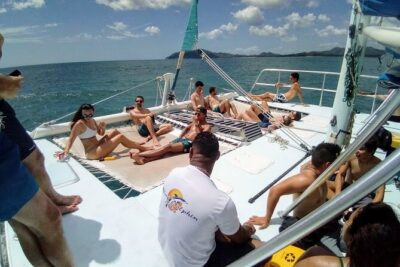
Blue Dolphin Catamaran Snorkeling Sunset Cruise from Tamarindo
Read our review →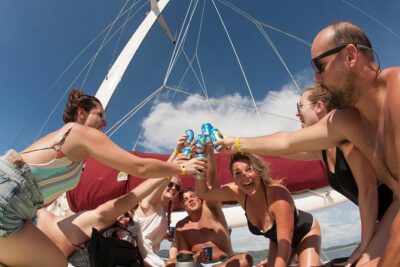
Catamaran Sailing & Snorkeling from Playas del Coco
Read our review →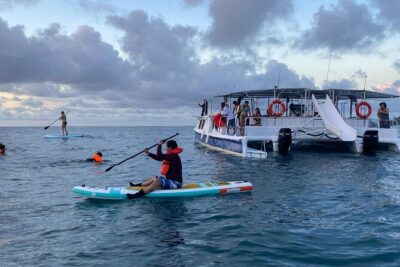
Catamaran Snorkeling at Caño Island from Drake Bay
Read our review →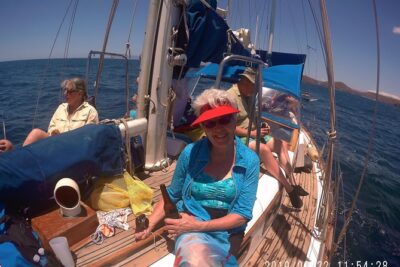
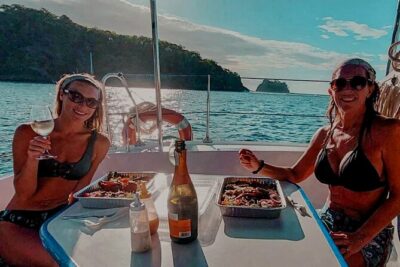
Private catamaran sailing sunset tour & snorkeling from Tamarindo
Read our review →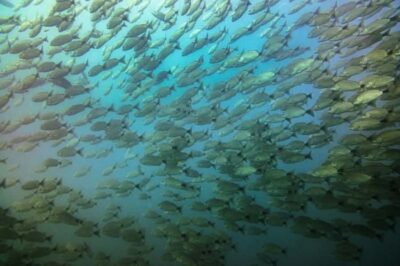
Guided Snorkeling Tour with Marine Life Spotting
Read our review →Browse the lists this tour appears in