
Reviewed · TURTLE NESTING TOURS
Turtle Tour
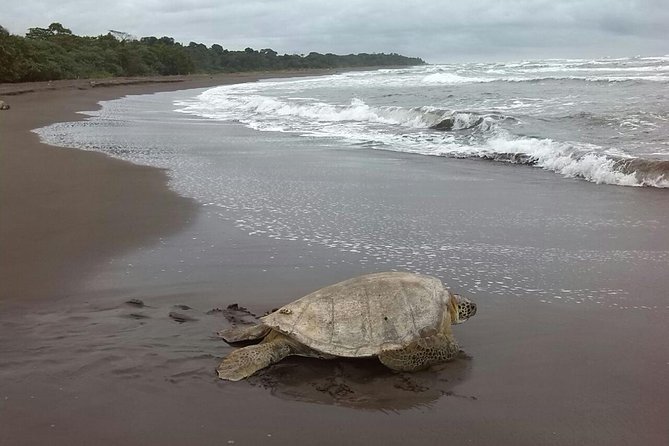
On Tortuguero’s dark Caribbean beach, a huge sea turtle can crawl out of the surf, scrape away sand, lay a clutch of eggs, cover the nest, and return to the water. That quiet process is the heart of this evening tour, and it is far more moving than a quick wildlife sighting.
I like the close look at the full nesting routine, not just a turtle’s back disappearing into the sea. I also like the small maximum group of 10 and the guides, especially Carlos, Bernie, and Luis, who are praised for explaining turtle safety and caring for families with children. The main catch is that the visit can involve a fair amount of late-night walking, waiting, and rotating between groups, while park rules control exactly when you can watch.
Key things to know before you book
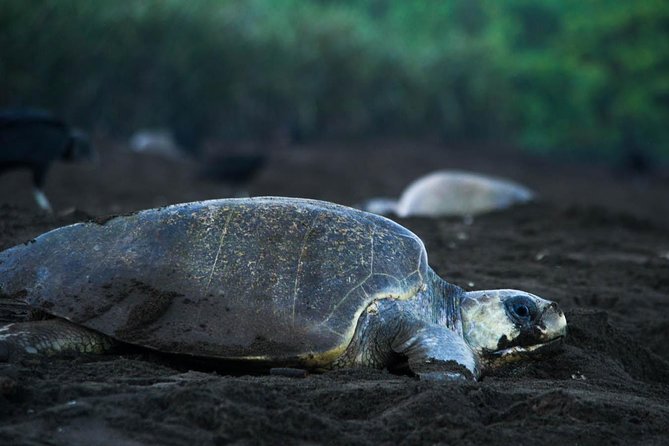
- Sea turtles are watched during nesting: You may see a turtle come ashore, prepare its nest, lay eggs, cover the site, and head back to the ocean.
- The season runs from July through October: This is a seasonal activity, not a year-round tour.
- The park controls the schedule: Your evening may fall anywhere within the 7:30 PM to 11:30 PM operating window.
- The beach walk takes effort: Wear closed shoes, dark clothing, mosquito repellent, and a raincoat.
- Park admission costs extra: The $33 tour price covers the guide, not entry to Tortuguero National Park.
- Small groups help, but crowds can still gather: The listed maximum is 10 people, though several groups may be on the beach at once.
Why turtle nesting in Tortuguero matters
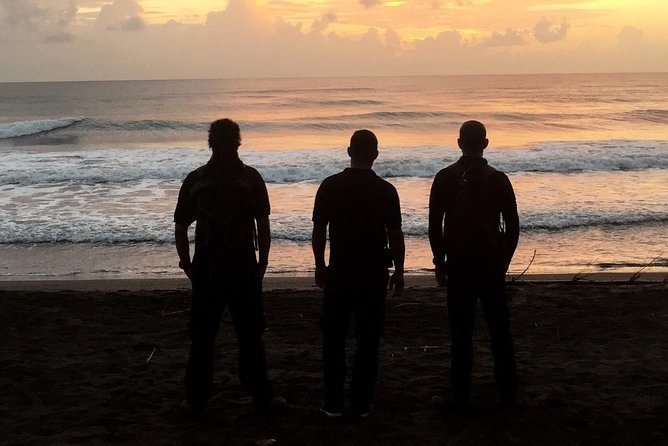
Tortuguero is one of Costa Rica’s main sea turtle nesting beaches. That gives this outing real purpose. You are not simply looking for an animal in the wild. You are watching a precise nighttime ritual that has brought turtles back to the coast for generations.
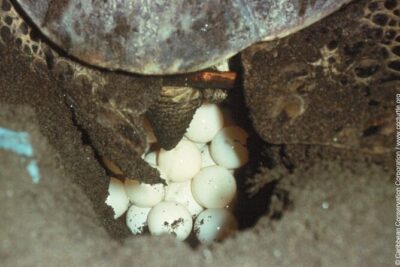
The turtle’s work is slow and deliberate. It must reach the sand, choose a spot, clear the surface, dig a body pit, lay eggs, cover the nest, and make its way back to the water. The entire process can take about two hours, which explains why the park allows a longer viewing period than the advertised tour duration may suggest.
This is also why the experience requires patience. You may see several turtles at different stages, or you may spend part of the evening waiting for the right moment. A turtle can turn around and return to the ocean before nesting, as happened during one outing. A good guide then looks for another opportunity, but nature does not follow a script.
More turtle nesting nights in Tortuguero:
- Turtle Nesting night Tour in Tortuguero
★ 4.5 · 71 reviews - Observation of Turtles in their Natural Habitat in Tortuguero
★ 5.0 · 62 reviews - The best of Tortuguero: Canoe, hike and night tour (turtle in Jul-Oct)
★ 4.5 · 42 reviews
The evening begins in Tortuguero village
The tour starts in Tortuguero, in Limón Province on Costa Rica’s Caribbean coast, and ends back at the meeting point. Exact timing is set by the national park, not simply by your preferred schedule. The listed operating hours are 7:30 PM to 11:30 PM from July 1 through October 31, 2025.
That broad evening window matters. You should not plan a tightly timed dinner, boat connection, or other activity immediately afterward. The tour itself is listed at about one hour, while the park’s permitted turtle-watching period can last up to two hours. Add the walk and group organization, and your evening may take longer than the headline duration suggests.
The tour includes a guide, but national park admission is not included. Check the final booking details carefully so you know what you will pay beyond the $33 tour price. Confirmation arrives when you book, and the group size is capped at 10 people.
Walking onto the beach after dark
The beach is part of the challenge and part of the magic. You will walk late at night, and the sand can make the route feel longer than the clock suggests. One strong account of the outing described quite a lot of walking, while another called the walk long but worthwhile.
Wear closed shoes rather than sandals. Choose dark-colored clothing, bring mosquito repellent, and pack a raincoat. Tortuguero’s wet-season conditions can change quickly, and the activity continues outdoors. A clear night can give you stars and even shooting stars, but you should prepare for rain instead of counting on a dry sky.
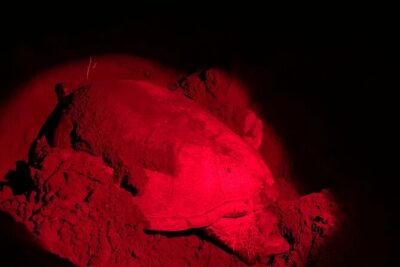
Dark clothing is not just a style tip. The beach must remain as dark and calm as possible so the turtles are not confused or disturbed. Keep your phone and camera use under control, follow the guide’s instructions, and avoid shining lights toward the water or the nesting turtle.
Watching the turtle’s careful routine
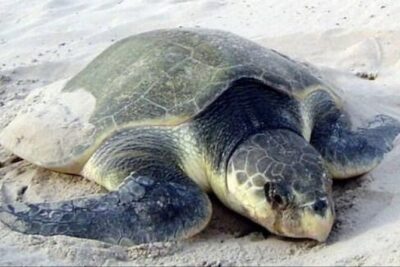
The best part of the experience is seeing the stages in order. A turtle may first appear from the surf and crawl above the high-water line. It then clears sand, makes a nest, and begins laying eggs. Once the eggs are covered, the turtle returns toward the sea.
You will not necessarily see every stage. A turtle may arrive before your group reaches the viewing area, or it may turn back. The timing is controlled to protect the animal, so the guide cannot simply keep you beside it for as long as you like.
The park gives roughly two hours for the nesting process. That time reflects the animal’s pace, not a promise that you will have two continuous hours of close viewing. Groups may take turns approaching the turtle while others wait at a safe distance. This rotation helps reduce pressure on the animal, though it can feel frustrating if several groups are present.
Some evenings offer several turtles. The strongest accounts describe three green sea turtles at different stages of egg laying, and another group saw four turtles, including one actively laying eggs. Those numbers are possibilities, not guarantees. The honest reason to book is the chance to witness a wild nesting event, not a fixed count of turtles.
A few more Tortuguero half-days worth weighing up
- Small-Group Tortuguero National Park Night Walk in Costa Rica
★ 5.0 · 91 reviews - Canoe tour dentro del Parque
★ 5.0 · 86 reviews - Adventure Canoe Tour in Tortuguero
★ 5.0 · 78 reviews - Kayak Tour
★ 5.0 · 76 reviews
The guides make a real difference
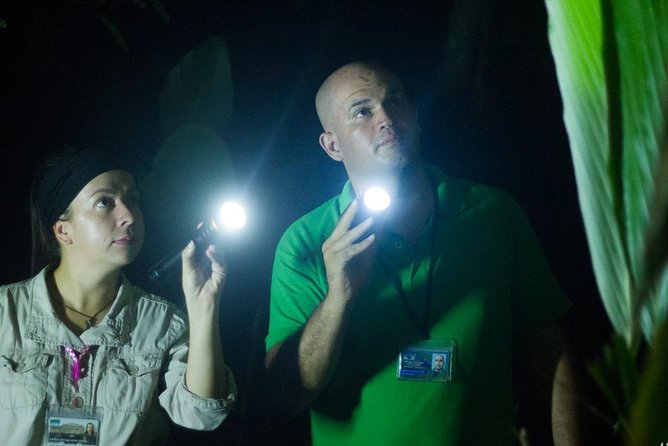
Carlos receives especially warm praise for his passion, clear explanations, and attention to children. He has explained turtle behavior, the area’s story, and safety rules, while also making sure younger members of the group were comfortable during the late-night walk.
Bernie has shown useful flexibility when a designated turtle turned back toward the sea. Instead of treating the failed sighting as the end of the experience, he found another turtle and helped the group see the process from coming ashore through nesting.
Luis is also praised for explaining each stage while the group watched three green turtles. These names matter because the guide shapes the evening. On a dark beach, you need someone who can explain what is happening without crowding the animal or filling the silence with needless chatter.
The experience is not perfectly uniform. One account describes a guide who offered little information unless asked direct questions. If interpretation is important to you, speak up. Ask about the turtle’s nesting cycle, the egg-laying process, and the rules that protect the animals. You may get more from the evening by taking an active interest.
Group size, waiting, and the park’s rules
The maximum group size is 10, which is a useful limit for a sensitive wildlife activity. Still, a small booked group does not mean you will have the beach to yourself. Other groups may arrive at the same nesting area, and several guides may rotate through the viewing point.
That arrangement can create waiting. You might watch for a few minutes, step back while another group approaches, then return when it is your turn. The system can feel less personal during a busy period, but it also keeps people from gathering around one turtle at once.
The park determines the viewing schedules and controls how the process works. That is important to understand before you go. The tour operator can guide you, explain the animals, and help locate a turtle, but it cannot promise a private section of beach or a particular time beside a nesting turtle.
The best attitude is to treat the rules as part of the conservation work. You are there to observe, not direct the event. The less noise, light, and movement around the turtle, the better.
What the $33 price buys you
At $33 per person, the value depends on how much you value expert help during a rare wildlife encounter. The fee covers a guide and a small organized group, but you must pay national park admission separately. It is not a full package with every cost included.
I think the price is reasonable if the guide is active and informative. A good guide can identify what stage the turtle has reached, explain why the group must wait, and help you understand what you are seeing. Carlos, Bernie, and Luis are examples of guides who can turn a dark beach walk into a clear natural-history lesson.
The value is less certain if you expect a polished, tightly timed show. You may walk quite a bit, wait for your turn, get rained on, or see fewer turtles than hoped. The price buys access and guidance, not a guaranteed performance.
The high overall rating of 4.9 from 71 ratings and a 97 percent recommendation rate suggest that the experience usually delivers. Still, the lower ratings point to the main risks: a large-feeling crowd at the beach, limited explanation from a guide, and confusion about how groups rotate. Read the tour as a protected wildlife outing, not a private photo session.
Who will enjoy this most
This tour suits you if you care about wildlife, accept natural uncertainty, and do not mind being outdoors late at night. It is a strong fit for couples, families with older children, and anyone who wants a memorable experience that does not feel like a standard daytime excursion.
Families can do well here when children are ready for darkness, walking, waiting, and quiet behavior. Carlos has been attentive to children in the group, but the beach conditions and late hour still require patience.
You may want to skip it if you need guaranteed access, dislike mosquitoes and rain, or find long periods of waiting difficult. It is also a poor choice for a packed evening schedule because the park’s timing is not fully in your hands.
Practical clothing and preparation
Keep your packing simple:
- Dark-colored clothes
- Closed shoes
- Mosquito repellent
- A raincoat
- A willingness to leave bright lights and flash photography behind
Do not dress for a quick stroll from a hotel to a viewing platform. Prepare for a beach walk after dark. The combination of sand, rain, insects, and waiting can make the evening tiring, even when the turtle sighting is excellent.
If you use a mobile ticket, keep it ready at the meeting point. Confirmation is provided at booking. Free cancellation is available if you cancel at least 24 hours before the start time. Changes or cancellations inside that window are not accepted for a refund, and the cut-off follows local time.
Should you book the Tortuguero Turtle Tour?
I would book this if you are in Tortuguero between July and October and want to see a genuine nesting event under controlled conditions. The chance to watch a green sea turtle lay eggs, cover the nest, and return to the ocean is unusual enough to justify the late hour and extra effort.
Go in with realistic expectations. You may see several turtles, as some outings have, but you may also wait, rotate between groups, or watch one turtle turn back. Bring the right clothing, allow plenty of time, and judge the $33 price alongside the extra park admission.
For the best chance of a rewarding evening, ask questions, follow the guide closely, and accept that the turtle sets the schedule. If you can do that, this is one of Tortuguero’s most memorable experiences.
FAQ
When is the Tortuguero Turtle Tour available?
The tour is available from July through October. The listed operating dates are July 1 through October 31, 2025.
What time does the tour operate?
The listed hours are Monday through Sunday from 7:30 PM to 11:30 PM. The national park determines the exact schedule for turtle viewing.
How long does the experience last?
The tour is listed as approximately one hour, while the park allows about two hours for observing the nesting process. Walking, waiting, and group rotation can affect the total time.
Is national park admission included?
No. The guide is included, but admission to Tortuguero National Park is not included in the $33 price.
What should I wear and bring?
Wear dark-colored clothing and closed shoes. Bring mosquito repellent and a raincoat because the activity takes place outdoors at night during Costa Rica’s rainy season.
What is the cancellation policy?
You can cancel at least 24 hours before the start time for a full refund. Cancellations or changes made less than 24 hours before the experience are not accepted for a refund.
Just added around Tortuguero
- Observation of Turtles in their Natural Habitat in Tortuguero★ 5.0 · 62 reviews
- The best of Tortuguero: Canoe, hike and night tour (turtle in Jul-Oct)★ 4.5 · 42 reviews
- Relaxing Canoe Tour in Tortuguero★ 4.5 · 48 reviews
- Canoe experience exploring Tortuguero National Park★ 5.0 · 54 reviews
- Small Group Tortuguero National Park Canoe Tour★ 5.0 · 53 reviews
- Canoe Boat Tour in Tortuguero Canal★ 5.0 · 56 reviews
- 3-hour canoe tour through Tortuguero National Park★ 5.0 · 68 reviews
- Turtle Nesting night Tour in Tortuguero★ 4.5 · 71 reviews
Turtle Nesting Tours, compared.
Observation of Turtles in their Natural Habitat in Tortuguero
Read our review →
The best of Tortuguero: Canoe, hike and night tour (turtle in Jul-Oct)
Read our review →Browse the lists this tour appears in