
Reviewed · NATIONAL PARKS
From San José: Carara National Park and Tárcoles River Tour
Carara National Park is the star here, especially if you want wildlife with a guide who can actually find it. The forest shifts from younger secondary growth to tall primary forest, where giant wild-cashew and fig trees rise more than 40 meters overhead. Then you trade the forest trail for a slow boat through the Tarcoles River mouth and mangroves, with crocodiles below and birds overhead.
I like the pairing of forest and wetland in one day, and I like the small-group format, which makes it easier to stop when a guide spots a frog, bird, or monkey. The binoculars or telescope are a real help. The drawback is the early start, long road time, and lack of included lunch, so this is a full, warm day rather than a light outing.
Key points to know before booking
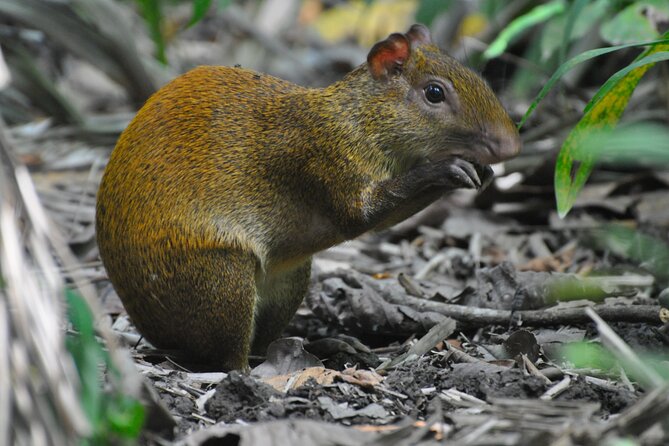
- Carara is the main event: Two hours on trails can produce monkeys, macaws, deer, agoutis, frogs, reptiles, and an astonishing range of insects and plants.
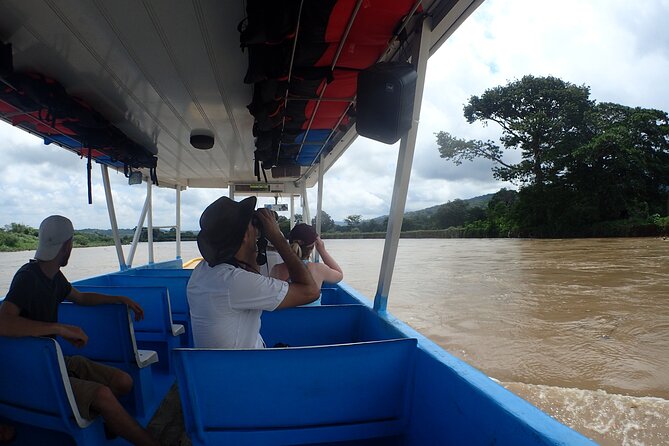
- The Tarcoles cruise adds a different habitat: Expect a relaxed boat ride of about two hours, with crocodiles, turtles, lizards, and many water birds.
- Guides shape the experience: Rigo, Eduardo, David, Charley, and Yepo are named guides associated with this outing, and the strongest praise centers on their wildlife spotting and natural science.
- Agujas provides a simple finish: You get about an hour by the Pacific, with time to hear the surf and put your feet in the water.
- The day begins at 6:30 a.m.: Hotel pickup and drop-off are included, along with private transport and park and boat fees.
- Bring protection from insects and sun: Long trousers are a smart choice, since mosquitoes can be active even when you use repellent.
Why Carara and Tarcoles work so well together
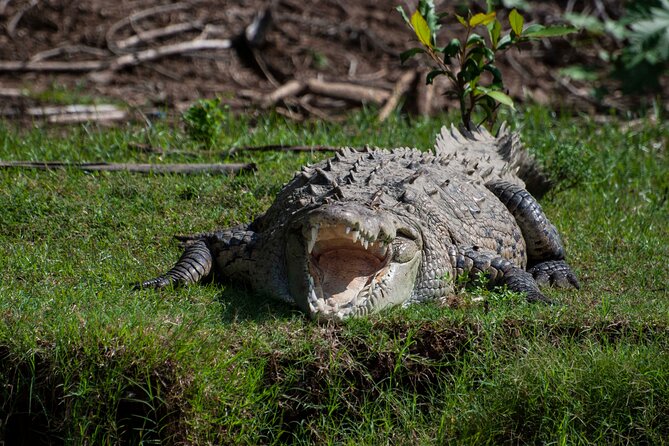
This trip gives you two very different views of Costa Rica’s Pacific lowlands. Carara is a forest experience, full of trunks, vines, leaf litter, and calls from the canopy. Tarcoles is open water and mangrove, where crocodiles lie still along the banks and birds feed in the wetlands.
That variety makes the day more useful than a single short wildlife stop. You are not only checking off animals. You are seeing how different habitats support different species. A guide can point out the contrast between a bird moving through the canopy and one hunting along the river edge.
The outing lasts roughly eight to twelve hours, depending on road conditions and the day’s pace. Pickup starts at 6:30 a.m. from your hotel or the stated meeting point. Since private transportation is included, you avoid arranging separate buses or taxis to reach the coast, which is a major part of the value for anyone staying in San José.
The group can have up to ten people, though the transport and guiding may feel more personal than that. Some outings have been nearly private, while the river portion can sometimes be shared with a small group. That flexibility is useful, but you should not book expecting a guaranteed private tour.
More National Park Tours in San José
- Manuel Antonio National Park from San José
★ 4.0 · 131 reviews - Irazú Volcano National Park (Half Day)
★ 4.5 · 104 reviews - Tortuguero National Park and Canals Day Trip from San Jose
★ 4.5 · 81 reviews
Walking beneath Carara’s 40-meter canopy
Carara National Park receives about two hours of attention, which is enough for an introduction but not enough to cover every trail. The walk moves through secondary forest and into older forest, with the biggest trees and most dramatic canopy found in the latter areas.
The tall wild-cashew and fig trees give the park its scale. Look up, but do not keep your eyes fixed above you. Many of the smaller discoveries sit close to the ground, including frogs, spiders, lizards, mushrooms, and insects tucked into the forest litter.
This is where a guide makes the largest difference. The forest can look quiet until someone points out a camouflaged amphibian or a bird perched high in the branches. Guides such as David, Eduardo, Charley, Rigo, and Yepo have been praised for explaining both animals and plants, not simply naming what you see.
The experience has a naturalist’s feel. You are encouraged to ask why one species lives in a certain place, how the forest floor connects to the canopy, and what makes the tropical ecosystem work. That makes the walk worthwhile even during a slower wildlife period.
The trails are described as easy walkways, and most travelers can participate. Still, this remains a rainforest walk. Wear sturdy, comfortable shoes, carry water, and expect heat and humidity. Long trousers are wise because mosquitoes can bite exposed areas, even with two kinds of repellent.
The wildlife you may find in Carara
Carara is especially well known for birds, and the tour includes binoculars or a telescope. That equipment matters because many birds stay high in the trees or sit beyond the reach of an ordinary phone camera.
Scarlet macaws are among the most exciting possibilities. Other sightings can include monkeys, white-tailed deer, agoutis, tree frogs, salamanders, iguanas, and other lizards. The small details may be just as memorable as the large animals. One outing included green and black poisonous dart frogs, a morpho butterfly, mushrooms, spiders, and a range of insects.
You should keep expectations realistic. Wildlife is never guaranteed, and no guide can order a macaw or monkey into view. What a skilled guide can do is read movement, calls, tracks, and habitat. That raises your odds and helps you appreciate animals you might otherwise walk past.
Birdwatchers will get the most from this part of the day, but you do not need to be an expert. A good guide explains what you are seeing in plain language. If you are new to birding, the telescope turns distant shapes into clear, memorable sightings.
Cruising the Tarcoles River and mangrove mouth
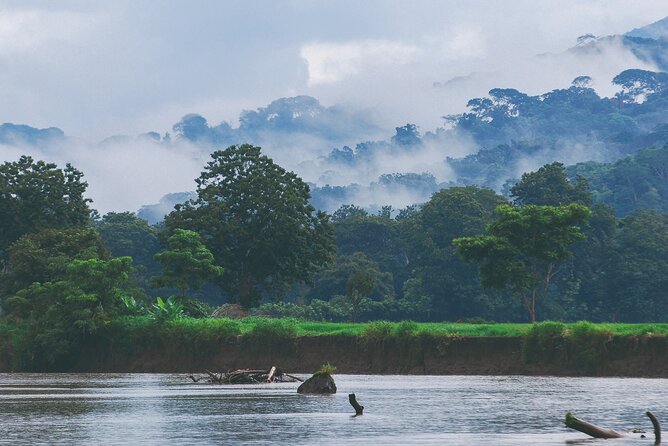
After Carara, the focus shifts to the Tarcoles River. The boat tour lasts about two hours, with one account putting the ride at about an hour and forty-five minutes. It is a calm ride, but the wildlife keeps it lively.
The river is known for serious pollution, an uncomfortable fact that is part of its story. The tour does not pretend otherwise. Instead, it takes you toward the river mouth and mangroves, where wetlands still support a surprising number of species. This is a chance to see both the environmental problem and the ecological importance of the area.
Crocodiles are the headline attraction. You may see small young animals and very large adults resting near the banks. A particularly old crocodile known as Tyson was estimated at around 90 years old, and another was nicknamed Shakira. Those names give the boat ride a friendly local character, but the real appeal is watching these ancient reptiles behave in their own habitat.
The river also supports turtles, lizards, and many birds. An osprey carrying a fish and scarlet macaws are among the more memorable sightings described for this route. You might also see birds feeding in the shallows or perched in mangrove branches.
The boat is a good counterpoint to the forest walk. You are seated, moving slowly, and able to scan both riverbanks. Bring your binoculars if you have them, though binoculars or a telescope are supplied. A hat, sunscreen, and water will make the ride more comfortable.
Same base, a completely different kind of day:
- Tortuga Island Full Day Tour from San José with Lunch
★ 4.5 · 589 reviews - San Jose Walking and Bus City Tour
★ 4.5 · 346 reviews - Hacienda Doka Coffee Experience Tour
★ 4.5 · 315 reviews - San Jose By Night: Sights & Culture Tour with Local Dinner
★ 4.5 · 237 reviews
A quiet hour at Agujas beach
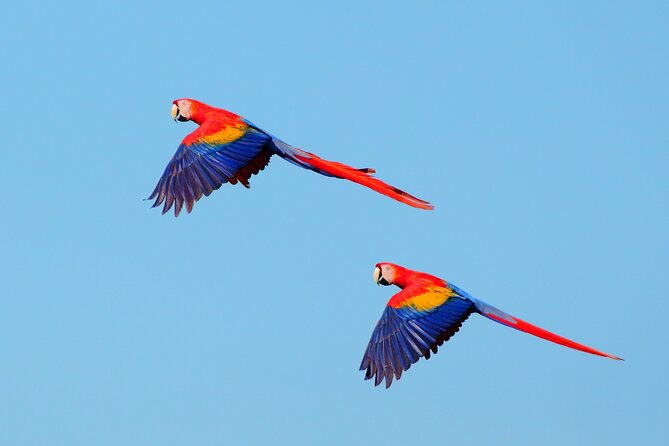
The last stop is Agujas, a Pacific beachfront area where the pace drops. You have about an hour to listen to the surf, look out over the coast, and put your feet in the water.
This is not presented as a full beach day, and it should not be treated that way. It is a gentle finish after the heat and concentration of the forest and river. If you want a long swim, a resort beach, or several hours in the sun, this stop may feel brief.
I like the change of mood. The day begins with a naturalist’s attention to small creatures and ends with open space and waves. Some guides may adjust the order or timing because of weather, so the exact flow can vary.
Guides, scopes, and the value of expert eyes
The strongest part of this experience is the guide service. Guides named in the feedback include Rigo, Eduardo, David, Charley, and Yepo, and the repeated strengths are clear: strong English, training in biology or natural science, sharp wildlife-spotting instincts, and a personable manner.
Yepo is described as a biologist who explains each species and brings stories to the plants, animals, and fungi along the trail. Charley is also a professional biologist. Rigo has been praised for taking photographs, adapting the route to the weather, and creating an easygoing day that feels more like time with a well-informed local than a formal lecture.
That personal attention matters in Carara. A forest guide can make a quiet trail feel full of activity. On the river, the guide helps you distinguish a crocodile from a log, identify birds at a distance, and understand why the mangrove habitat matters.
The supplied binoculars or telescope add practical value. You do not need to buy special birding equipment for this one day. If you own binoculars, bring them anyway, but the included equipment means beginners are not at a disadvantage.
What the $257 price includes
At $257 per person, this is not a low-cost bus excursion. The price makes more sense when you count what is covered: private transportation, hotel pickup and drop-off, park admission, the crocodile and bird-watching boat ride, a small group capped at ten, and a certified guide or biologist.
You are paying for access to two major wildlife settings without arranging the transport yourself. You also get a guide who can spend time looking for small animals rather than rushing a large crowd through a trail.
Lunch is not included. You need to budget for that separately and bring snacks or fruit for the road. One guide stopped at a local fruit stall, and a beach picnic with tropical fruit became part of the day, but you should not assume that this is guaranteed or that a meal is supplied.
The price is easiest to justify if you value expert guiding, door-to-door transport, and a full day rather than a basic park entrance. Dedicated birders may want even more time in the forest, while casual sightseers may find the cost high. For a first visit to the San José area, the combination of wildlife and coast gives the day broad appeal.
Timing, comfort, and what to pack
The 6:30 a.m. start is early, but it serves a purpose. Wildlife activity can be better earlier in the day, and the drive from San José to the Pacific side takes time. You will spend a good portion of the outing in the vehicle, so hotel pickup is more convenient than navigating public transport.
Pack light, practical items:
- Long trousers and comfortable walking shoes
- Insect repellent, since mosquitoes may be persistent
- Sunscreen and a hat for the boat and beach
- Water and snacks, since lunch is not included
- A camera or phone with room for many wildlife photos
- Your own binoculars, if you prefer them
The tour is suitable for most travelers according to the supplied information, but you should be comfortable walking rainforest trails and spending a long day away from your hotel. The boat ride is relaxing, yet the heat and sun can add up.
The maximum group size of ten keeps the outing from feeling like a large coach tour. If you are lucky, the group may be smaller or the forest portion may feel nearly private. Still, group size can vary, and the boat portion may include other people.
Who will get the most from this day
I would choose this tour for a first-time Costa Rica visitor based in San José who wants wildlife without committing to an overnight stay on the Pacific coast. It suits couples, families with older children, solo visitors, and anyone curious about birds but not ready for a specialist birding trip.
It is particularly good for people who enjoy asking questions. The guides focus on ecology, animal behavior, and plant life, so the day is more than a series of photo stops.
Serious birdwatchers should appreciate the telescope and the guide’s eye, but may wish for a longer forest session. Beach lovers may find the one-hour stop too short. Anyone who dislikes early mornings, long drives, heat, or insects should think twice.
Free cancellation is available if you cancel at least 24 hours before the start time. Changes or cancellations inside that window are not accepted for a refund, so keep the cutoff in mind when booking.
Should you book the Carara and Tarcoles tour?
Book it if you want a well-filled wildlife day with a strong guide, private transport, and two very different ecosystems. The most compelling reasons are the chance to see scarlet macaws, monkeys, frogs, crocodiles, and water birds in one outing, plus the help of guides such as Rigo, Yepo, Charley, David, and Eduardo.
Skip it if you want a slow beach day, a cheap transfer, or a short activity close to San José. The $257 price, early departure, long duration, and separate lunch cost are real considerations.
For me, the best reason to choose it is the guide-led approach. Carara can be beautiful on its own, but a trained eye turns leaves, branches, and distant calls into a living lesson. Add the Tarcoles boat ride and the Pacific stop, and you get a full picture of the coast in one demanding but rewarding day.
FAQ
What time does the tour start?
The tour starts at 6:30 a.m.
How long does the experience last?
The estimated duration is eight to twelve hours.
Is hotel pickup and drop-off included?
Yes. Private transportation and hotel pickup and drop-off are included.
What is included in the price?
The price includes private transportation, Carara National Park admission, the Tarcoles River crocodile and bird-watching boat tour, a small-group format, binoculars or a telescope, and a certified guide or biologist.
Is lunch included?
No. Lunch is not included.
How many people can join the tour?
The maximum group size is ten people.
Just added around San Jose
- Special Private Waterfalls and Jungle Safari Tour★ 5.0 · 40 reviews
- Super Combo Tour: Waterfalls Gardens + Coffee Tour + Poás Volcano★ 4.5 · 39 reviews
- Shuttle from San Jose to La Fortuna★ 4.5 · 54 reviews
- Rafting Sarapiqui River Class II-III Costa Rica★ 5.0 · 55 reviews
- Queveri Horseback Riding Tours★ 5.0 · 35 reviews
- Driver in Costa Rica for 10 Hours (Luxury Package)★ 5.0 · 32 reviews
- San Jose City Tour. Private Tour with lunch★ 4.5 · 40 reviews
- 3 in 1 Combo: La Fortuna Waterfall, Hanging Bridges, Thermal Spa from San José★ 5.0 · 42 reviews
National Parks, compared.
All Inclusive National Park Manuel Antonio with Binoculars
Read our review →
Customized Nature Walk in Manuel Antonio National Park
Read our review →
Manuel Antonio National Park Hiking Tour from Jacó
Read our review →
Small-Group Tortuguero National Park Night Walk in Costa Rica
Read our review →
Tortuguero National Park and Canals Day Trip from San Jose
Read our review →
Browse the lists this tour appears in