
Reviewed · GUIDED
Guided Butterfly Conservatory Tour in Costa Rica
The most unusual part of this visit is that it is more than a butterfly house. The Butterfly Conservatory is a nature regeneration project, where you learn how butterflies, frogs, insects, and rainforest plants are reproduced as part of efforts to restore habitats around Arenal.
I like the mix of guided teaching and free time, plus the pretty walk through the grounds. The Blue Morpho, friendly frogs, and butterflies that may land on you give the visit real charm. The main consideration is the guide quality: volunteer docents lead the tour, so the depth of information can vary.
Key points
- Arenal regeneration project: Learn how local butterflies and other rainforest species are raised and studied.
- Largest butterfly exhibition in Costa Rica: See many butterfly and moth species in planted habitats.
- Volunteer-led introduction: A docent explains metamorphosis, butterfly behavior, and the frog displays.
- Two walking choices: Add a short path or a longer, more natural jungle river walk.
- Good family outing: The hands-on setting works well for children, adults, solo visitors, and groups.
- Plan ahead: The attraction is popular, with an average booking time of about 19 days before arrival.
Why this butterfly visit is different from a simple exhibit

A standard butterfly house gives you a warm room, colorful wings, and a few signs. This place aims for more. The Butterfly Conservatory is also a learning center and a working nature project focused on the tropical areas around Volcan Arenal.
That mission shapes the visit. You are shown the butterfly life cycle and the startling change from caterpillar to winged insect. The project also covers frogs, insects, and plants, so the experience connects butterflies to the wider rainforest rather than treating them as isolated display animals.
I find that approach useful because it gives the color and motion some meaning. You are not only looking for the biggest butterfly. You are learning how species are reproduced, how habitats can be repaired, and why small creatures matter in a rainforest system.
The attraction is described as having the largest exhibition of butterflies in Costa Rica. Expect plenty of species and close views in planted enclosures, though the exact butterflies active during your visit will depend on natural conditions. The Blue Morpho is one of the memorable possibilities, along with several other butterflies and moths.
A few more Monteverde half-days worth weighing up
- Selvatura Park Hanging Bridge Tour in Monteverde
★ 4.0 · 520 reviews - Extreme Zipline tour in Monteverde
★ 4.5 · 262 reviews - Selvatura Park Gold Package (Canopy & Hanging Bridges)
★ 4.5 · 118 reviews
Getting to Upper El Castillo from La Fortuna
The meeting point is the Butterfly Conservatory in Upper El Castillo, in the El Castillo-Arenal area of Alajuela Province. The conservatory is about 30 minutes from Fortuna, so you will need to allow time for the drive there and back.
The setting is part of the appeal. The road to the conservatory brings broad views, and the ride itself was singled out as a highlight. If you are staying in La Fortuna, this is an easy way to spend part of a day away from the town and its hot springs.
One practical note deserves attention: the experience is described in some places as being in Monteverde, but the stated meeting point is Upper El Castillo near Arenal. Use the supplied meeting address rather than assuming this is a Monteverde activity. That distinction matters when planning transport and combining it with other sights.
The attraction is open daily from 10 a.m. to 4 p.m. A two to three-hour visit fits comfortably inside those hours. I would avoid arriving near closing time, especially if you want the guided introduction and one of the walking paths.
The guided introduction to metamorphosis
Your visit begins with an educational look at the butterfly life cycle. The volunteer docent explains metamorphosis and helps you understand what you are seeing inside the exhibits.
This is not a lecture that requires a science background. The subject works for children, and adults usually find the change from caterpillar to butterfly just as striking. A good docent can point out behavior, explain why certain plants are present, and help you notice the smaller creatures that are easy to miss alone.
The staff structure is worth understanding before you book. Volunteer docents lead the tours, including graduate students who have an opportunity to study and learn at the project. That can bring enthusiasm and fresh interest, but the level of detail may not match a professional naturalist guide at every visit.
The project keeps a professional contact available in the reception center for questions after the tour. Still, if you want a highly technical explanation of every species, keep your expectations measured. This works best as an accessible introduction with a strong conservation purpose.
Inside the butterfly and moth exhibits
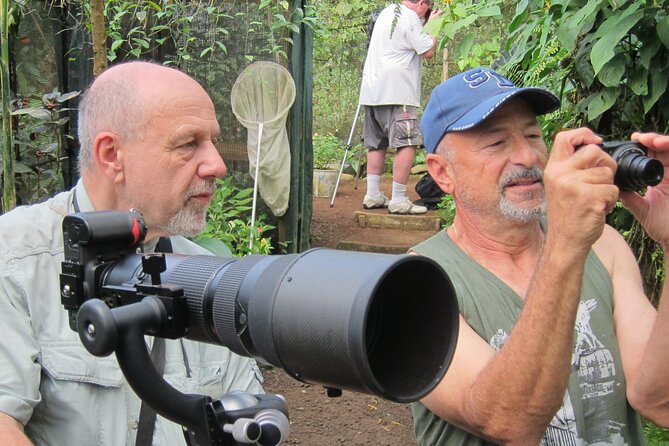
The butterfly houses are the heart of the experience. You walk through planted spaces with butterflies moving around you, rather than viewing them behind glass. That close setting makes the visit especially good for photography, but you will need to move gently and watch where you step.
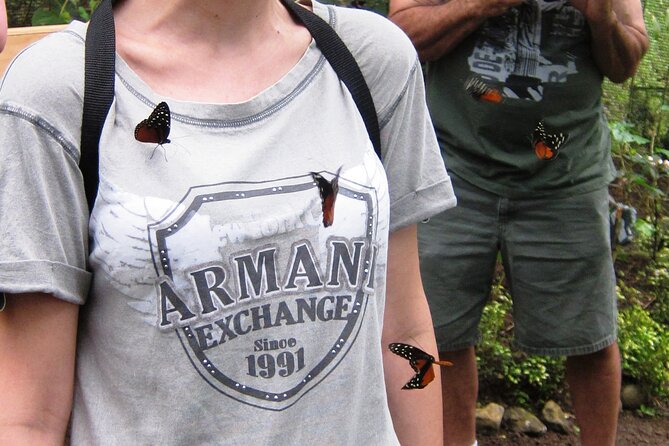
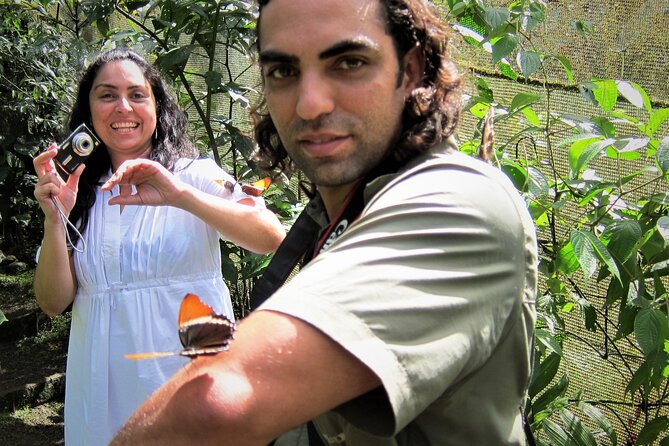
A butterfly may land on your clothing or skin. That surprise is one of the pleasures of the visit, especially for children, though it is best to let the insect move on its own rather than trying to touch or catch it.
The Blue Morpho is one species you may see. Its blue wings can appear suddenly as it moves, then vanish when the wings close. You may also see other butterflies and moths, with the mix changing according to what is active in the enclosures.
The plants matter as much as the insects. They provide food, shelter, and the right setting for the creatures you came to see. This is why the exhibits feel more like small rainforest habitats than a row of decorative displays.
You can explore parts of the conservatory at your own pace and return to exhibits if you wish. That flexibility is helpful because children may want to move quickly while photographers prefer to wait for a clear view. It also means you are not forced to rush through the butterflies after the guided portion ends.
Same base, a completely different kind of day:
- Monteverde Night Tour with a Certified Tour Guide (6 PM or 8 PM)
★ 4.5 · 112 reviews - Monteverde Cloud Forest Nature Tour
★ 5.0 · 111 reviews - Monteverde Butterfly Gardens Tour
★ 4.5 · 85 reviews - Selvatura Park Combo Tour From Monteverde
★ 4.5 · 76 reviews
Frogs, insects, and the wider rainforest project
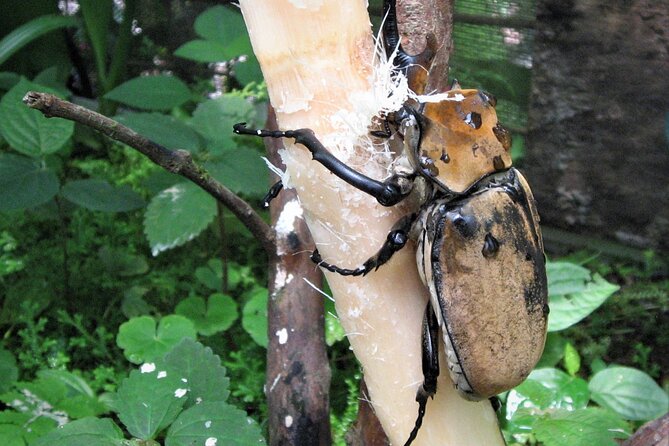
The conservatory’s scope extends beyond butterflies. Frog habitats and insect displays add variety, and the educational program explains how different rainforest species are reproduced.
The frogs can be a highlight, but they require slower looking. Butterflies announce themselves with color and movement. Frogs may sit quietly among leaves or in a carefully arranged habitat, so the docent’s help makes a real difference.
The project’s focus on regeneration gives these exhibits a practical purpose. You see examples of how tropical species are studied and raised, and you learn about efforts to recover lost habitats in the Arenal region. That makes the visit a good fit if you care about conservation but do not want a formal research tour.
The setting also lets you compare managed habitats with a more natural outdoor path. That contrast is valuable. Inside, the butterflies are close and easy to spot. Outside, you must slow down and pay attention to the forest around you.
Choosing the short path or the longer jungle walk
After the butterfly and frog areas, you can choose between a short path and a longer route through the grounds. The longer walk includes a jungle river section and was praised as especially pretty.
I would choose the longer route if you have the time and the weather is comfortable. It adds a quieter, more natural part to the visit and makes the trip feel less like a single exhibit. The back path also tends to feel less busy than the main areas.
The short route makes sense if you are traveling with young children, have limited time, or mainly want butterflies and frogs. One important expectation: you might not see many additional animals on the short path. It is still a pleasant way to stretch your legs, but it is not guaranteed wildlife viewing.
The outdoor section is best treated as a nature walk, not a safari. You might find plants, forest sounds, and small signs of life, but no one can promise a particular animal. The butterfly houses offer the reliable part of the visit; the trail adds atmosphere and a chance for extra sightings.
How much time to allow
The advertised duration is about two to three hours. That gives you enough time for the guided butterfly and frog presentation, independent exploration, and either the short or longer path.
Two hours is enough if you keep moving and choose the shorter route. Three hours gives you time to return to the exhibits, wait for better photographs, ask questions, and enjoy the grounds without hurrying.
I would not squeeze this into a tight schedule between two fixed tours. The daily opening period runs from 10 a.m. to 4 p.m., and the experience ends where it begins. Build in driving time from Fortuna and leave room for the walk.
The maximum group size is 20 people. That is small enough for a useful introduction, although the actual feel will depend on the number of people in your scheduled group. If you want a quiet visit, an early or less crowded time within the opening hours may be worth considering, but no specific crowd level is promised.
Is the $29.50 price good value?
At $29.50 per person, this is a moderate-cost attraction in the Arenal area. The value depends on what you want from the morning or afternoon.
For a quick butterfly photo stop, the price may feel high compared with simply walking through a garden. For two to three hours of guided learning, butterfly and frog habitats, a conservation project, and a choice of outdoor paths, the cost is easier to justify.
I especially like that your admission supports a nonprofit-style project focused on habitat recovery and education. You are paying for more than access to insects in an enclosure. You are also helping support a place that studies and regenerates rainforest species.
The price works best for families and nature-minded visitors who will use the full visit. If you have already done the Arenal volcano hike, hanging bridges, zip line, river float, chocolate and coffee tour, La Fortuna Waterfall, and hot springs, this attraction can fill a quieter half-day. It is less likely to be your single must-see activity in the region, but it makes a thoughtful addition to a full Arenal schedule.
Who will enjoy this most
I would recommend the conservatory to families, photographers, solo visitors, and anyone who likes learning by looking closely. The butterflies can hold a child’s attention, while the regeneration work gives adults something more substantial to think about.
It also suits people who prefer a gentler nature activity. You do not need to be an expert or a serious hiker to take part, and most participants can join. Service animals are allowed.
The experience may disappoint you if you want a long, guide-led forest hike or guaranteed sightings of many wild animals. The main attraction is the conservatory, and the outdoor path is an extra rather than the whole point.
Guide expectations matter, too. Volunteer docents can be enthusiastic and well prepared, but their depth of information may vary. If your questions go beyond the tour, you can ask at the reception center, where a professional is available.
Practical booking advice and cancellation terms
This is a popular attraction, and the average booking point is about 19 days before the visit. I would reserve ahead, especially if you are building a detailed Arenal schedule or traveling during a busy period.
Confirmation is provided when you book. The conservatory is open Monday through Sunday from 10 a.m. to 4 p.m., and the activity returns to the meeting point.
You can cancel for a full refund if you do so at least 24 hours before the start time. Cancellations or changes made less than 24 hours ahead are not accepted for a refund, and the cut-off follows local time.
Should you book the Butterfly Conservatory?
Book it if you want a calm, educational break from Arenal’s bigger outdoor activities. The combination of butterflies, frogs, volunteer teaching, conservation work, and a pretty jungle river walk gives you more variety than a basic insect exhibit.
I would place it after one or two of the area’s major attractions rather than before everything else. Once you have hiked, crossed bridges, soaked in hot springs, or visited the waterfall, the conservatory offers a slower change of pace.
Skip it if your schedule is packed and you only want the region’s headline sights. But if you can spare two to three hours and like close-up nature, the $29.50 admission is a fair way to support a worthwhile local project and see creatures that are easy to miss in the wild.
FAQ
Where is the Butterfly Conservatory located?
The meeting point is the Butterfly Conservatory in Upper El Castillo, Provincia de Alajuela, in the El Castillo-Arenal area of Costa Rica. It is about 30 minutes from Fortuna.
Is the conservatory in Monteverde or Arenal?
The experience information refers to Monteverde, but the stated meeting point is Upper El Castillo near Arenal. Use the Upper El Castillo address when planning your visit.
How long does the visit take?
Allow approximately two to three hours. This includes the guided educational portion, time in the butterfly and frog exhibits, and optional walking routes.
What are the opening hours?
The conservatory is open every day from 10 a.m. to 4 p.m. The listed operating period runs from April 27, 2022, through November 25, 2026.
How much does the tour cost?
The price is $29.50 per person.
What will I see during the experience?
You will learn about butterflies and metamorphosis, then explore exhibits with butterflies, moths, frogs, insects, and rainforest plants. The Blue Morpho is among the butterflies you may see.
Is there a walking trail?
Yes. You can choose a short path or a longer route through the grounds. The longer option includes a jungle river walk.
Is the experience suitable for children?
Yes. It is designed as an educational nature experience for all ages, and most people can participate.
How large is the group?
The maximum group size is 20 people.
Can I cancel for a refund?
Yes. You can receive a full refund if you cancel at least 24 hours before the experience begins. Cancellations and changes made less than 24 hours before the start time are not accepted for a refund.
Just added around Monteverde
- Water Bike Tours Water bikes★ 5.0 · 60 reviews
- Shuttle Transfer Lake crossing from Monteverde To Arenal★ 5.0 · 35 reviews
- Sunset And Night Walk Guided Tour★ 5.0 · 41 reviews
- Night Adventures in Monteverde★ 5.0 · 64 reviews
- Nature Tour in the Monteverde Cloud Forest★ 5.0 · 37 reviews
- Natural History Tour at Curi Cancha Reserve in Monteverde★ 5.0 · 42 reviews
- El Tigre Waterfalls Hiking Tour with Lunch and Nature Guide★ 5.0 · 49 reviews
- Hiking to Curi-Cancha Reserve★ 4.5 · 62 reviews
Guided, compared.
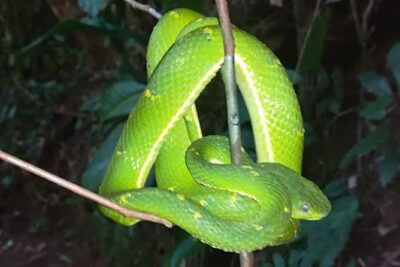
Monteverde Night Tour with a Certified Tour Guide (6 PM or 8 PM)
Read our review →

Corcovado and Drake Bay 2-Day Small-Group Safari Guided Tour
Read our review →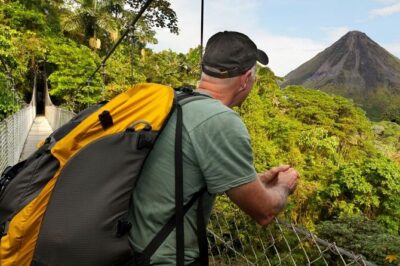
Arenal Hanging Bridges, Guided Walk, Hot Springs Optional
Read our review →
The Discovery Adventures ATV Guided Experience in La Fortuna, Arenal Volcano
Read our review →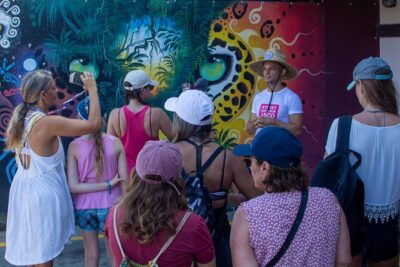
Guided Walking Street Art & Graffiti Tour in Jaco Costa Rica
Read our review →
Private Guided Walking Tour in Hacienda Baru TICKET NOT included
Read our review →Browse the lists this tour appears in